


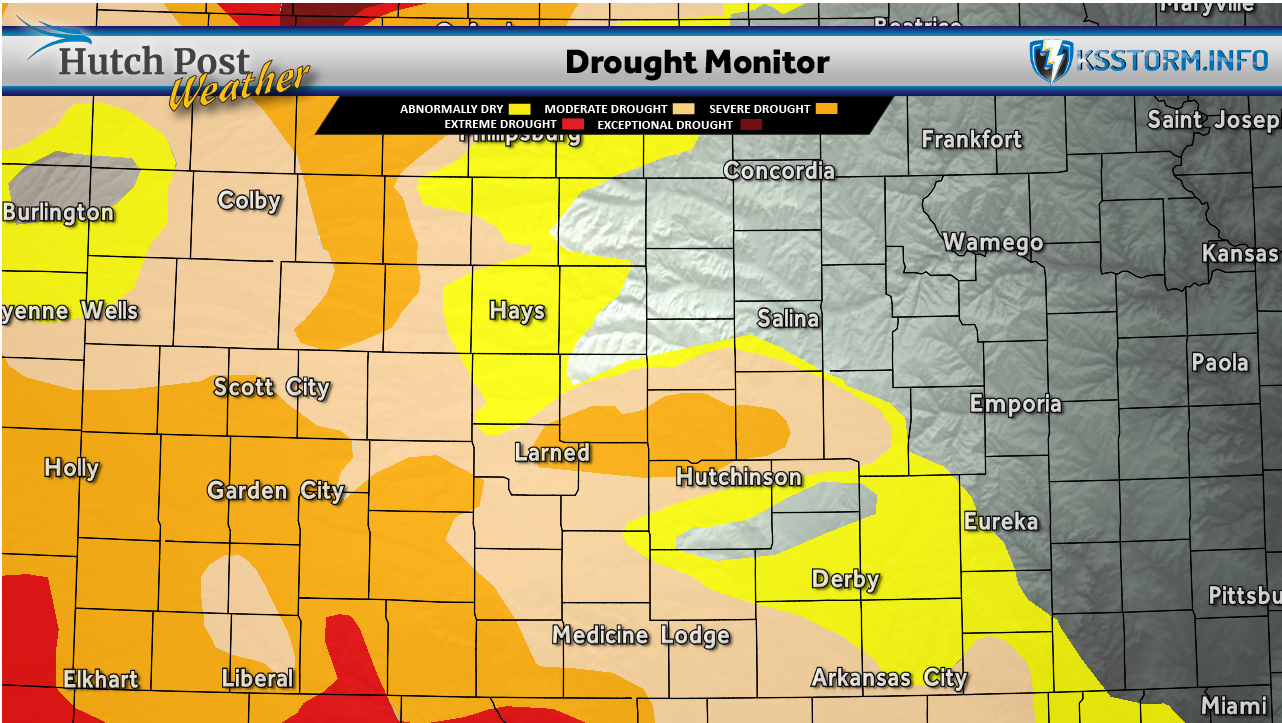
LINCOLN, Neb — Temperatures were generally warmer than normal across the region, with portions of the Dakotas and western Nebraska averaging 9–12 degrees above normal. Above-normal precipitation occurred in southern Nebraska, northern Kansas, northern Nebraska into southern and central South Dakota, and across much of northern North Dakota. Areas along the foothills of the Rocky Mountains from Montana through Colorado remained largely dry.
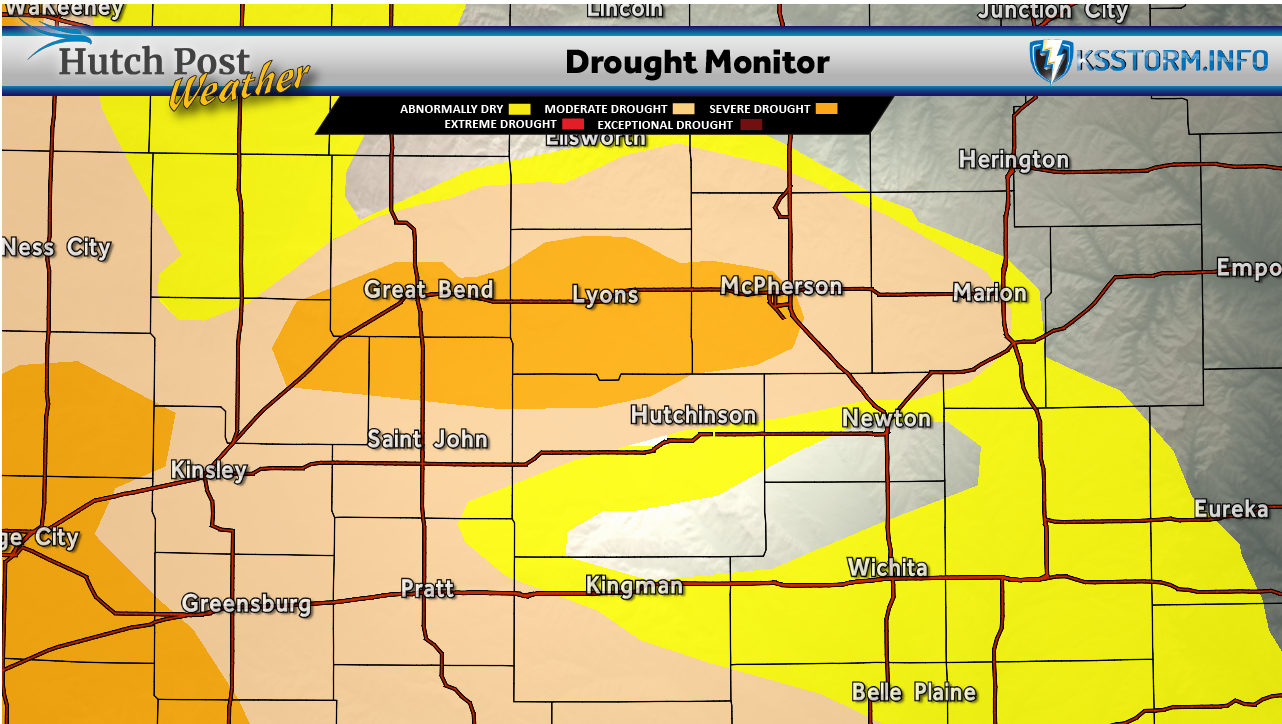
Drought intensity eased where the heaviest rains fell in Nebraska, Kansas and South Dakota, and drought was eliminated in portions of northern Kansas and southeast Nebraska. Southeast South Dakota continued to miss significant rainfall, and the combination of short- and long-term dryness allowed moderate and severe drought to expand.

Degradation also occurred in eastern Colorado, where extreme drought expanded in the north and moderate drought expanded across east-central portions of the state. Extreme drought was reduced slightly in southern Colorado following recent rainfall.
The U.S. Drought Monitor is jointly produced by the National Drought Mitigation Center at the University of Nebraska-Lincoln, the United States Department of Agriculture, the National Oceanic and Atmospheric Administration and the National Aeronautics and Space Administration. Map data courtesy of NDMC.