


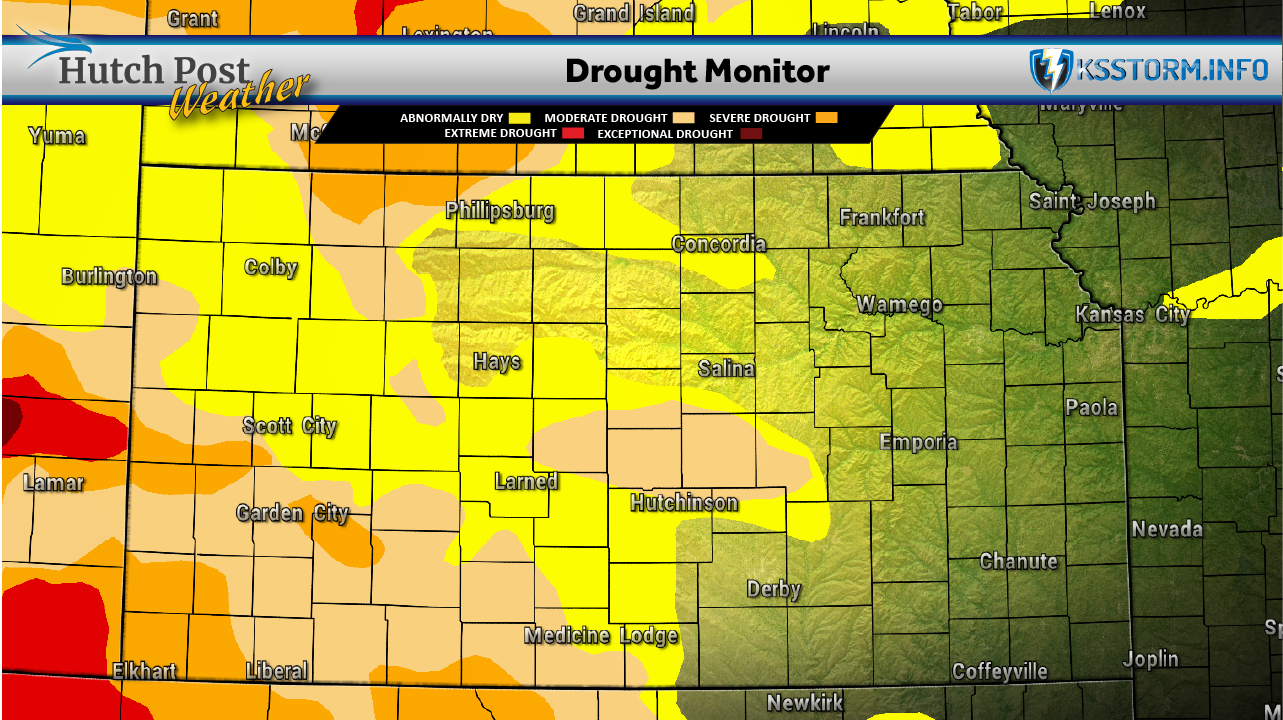
Kansas experienced its hottest weather of 2026 during the final week of July, with record-setting temperatures, dangerous heat indices and worsening drought conditions across portions of the state.
According to the latest Kansas climate report, Webster Dam reached 114 degrees on July 27, setting a new all-time station record and marking the hottest temperature recorded in Kansas this year. Richfield also established a new record high of 112 degrees, while Tribune, Wallace and Garden City tied or set historic highs.
Although eastern Kansas was slightly cooler, high humidity pushed heat index values into dangerous territory. The Rossville Kansas Mesonet site recorded a heat index of 126 degrees on July 25, fueled by an 85-degree dew point, with every Mesonet location reaching at least 105 degrees during the heat wave.
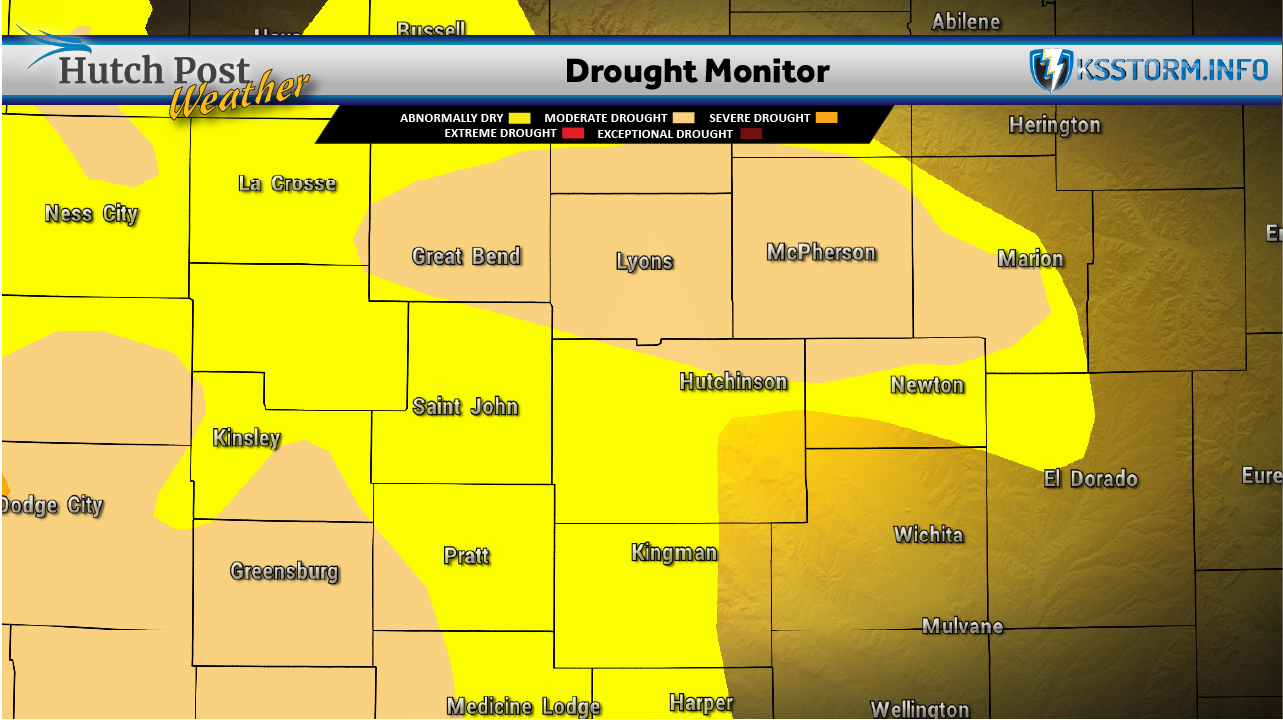
The report also notes drought conditions worsened in parts of central and south-central Kansas, including areas around Pratt and Kingman. While some north-central counties saw improvement after recent rainfall, the percentage of Kansas free from drought dropped to 52 percent, and more than one-quarter of the state is now classified in drought.

Forecasters expect temperatures to remain slightly above normal into early August, with the best chances for rainfall focused across eastern Kansas.
Data for this article was provided by Matthew C. Sittel, Assistant State Climatologist at the Department of Agronomy at Kansas State University.
The U.S. Drought Monitor is jointly produced by the National Drought Mitigation Center at the University of Nebraska-Lincoln, the United States Department of Agriculture, the National Oceanic and Atmospheric Administration and the National Aeronautics and Space Administration. Map data courtesy of NDMC.