


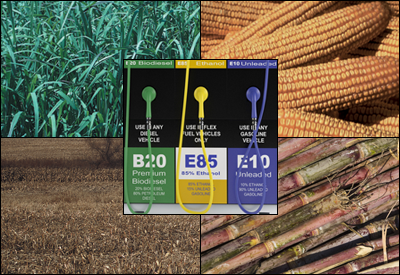
A new study suggests expanded biofuel production could play a key role in supporting the future of American agriculture while strengthening rural economies and boosting both food and energy security.
The report, conducted by S&P Global Energy and commissioned by the agricultural advocacy group U.S. Farmers and Ranchers in Action, examines how changing population trends and energy consumption could affect long-term demand for U.S. crops.

According to the study, slower population growth, stagnant food demand and declining gasoline consumption could significantly reduce grain demand in coming decades. Researchers estimate U.S. corn acreage could decline by nearly one-third by 2050 if ethanol blending rates remain at current levels.
However, the report finds that increased demand for biofuels could help offset those losses. Under a high-growth scenario, global biofuel production could triple by 2050, creating new markets for agricultural products and helping maintain corn acreage near current levels.
USFRA Vice Chair Chip Bowling said the findings demonstrate that biofuels are more than just an energy source.
“Biofuels are not just an energy solution—they're an economic engine that could transform farming's future,” Bowling said.
The study also projects that stronger biofuel markets would support farm income, encourage adoption of new agricultural technologies and increase overall productivity. Researchers estimate expanded biofuel production could boost food and feed supplies by 45 percent compared to baseline projections.
Supporters of biofuels argue the industry provides an important market for farmers while contributing to domestic energy production and reducing reliance on imported fuels. The report suggests that continued growth in the sector could help stabilize rural communities and provide new economic opportunities for future generations of producers.