



The U.S. Department of Agriculture is investing $25 million to build a new sterile fly dispersal facility in Douglas, Arizona, as part of an ongoing effort to eliminate the New World screwworm and protect the nation's livestock industry.
Agriculture Secretary Brooke Rollins announced the investment, saying the new facility will strengthen the USDA's ability to suppress screwworm populations by releasing sterile male flies into affected areas. The strategy is designed to reduce reproduction, push the destructive pest farther south into Mexico, and ultimately eradicate it from North America.
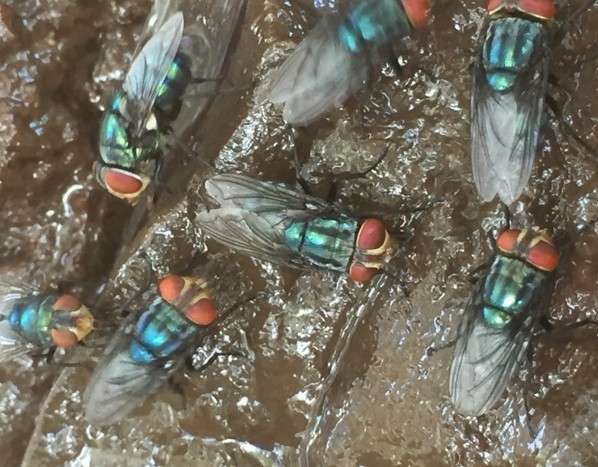
The Douglas facility will complement existing sterile fly production and dispersal operations in Texas, Mexico and Panama, expanding the USDA's capacity to respond to future outbreaks.

The New World screwworm is a parasitic fly whose larvae feed on the living tissue of warm-blooded animals, including cattle, horses, wildlife and, in rare cases, humans. An infestation can cause severe injury or death if left untreated, making the pest a significant threat to livestock producers.
USDA officials say the investment is part of a long-term strategy to maintain a barrier against the screwworm's spread while protecting animal health and the nation's agricultural economy.