


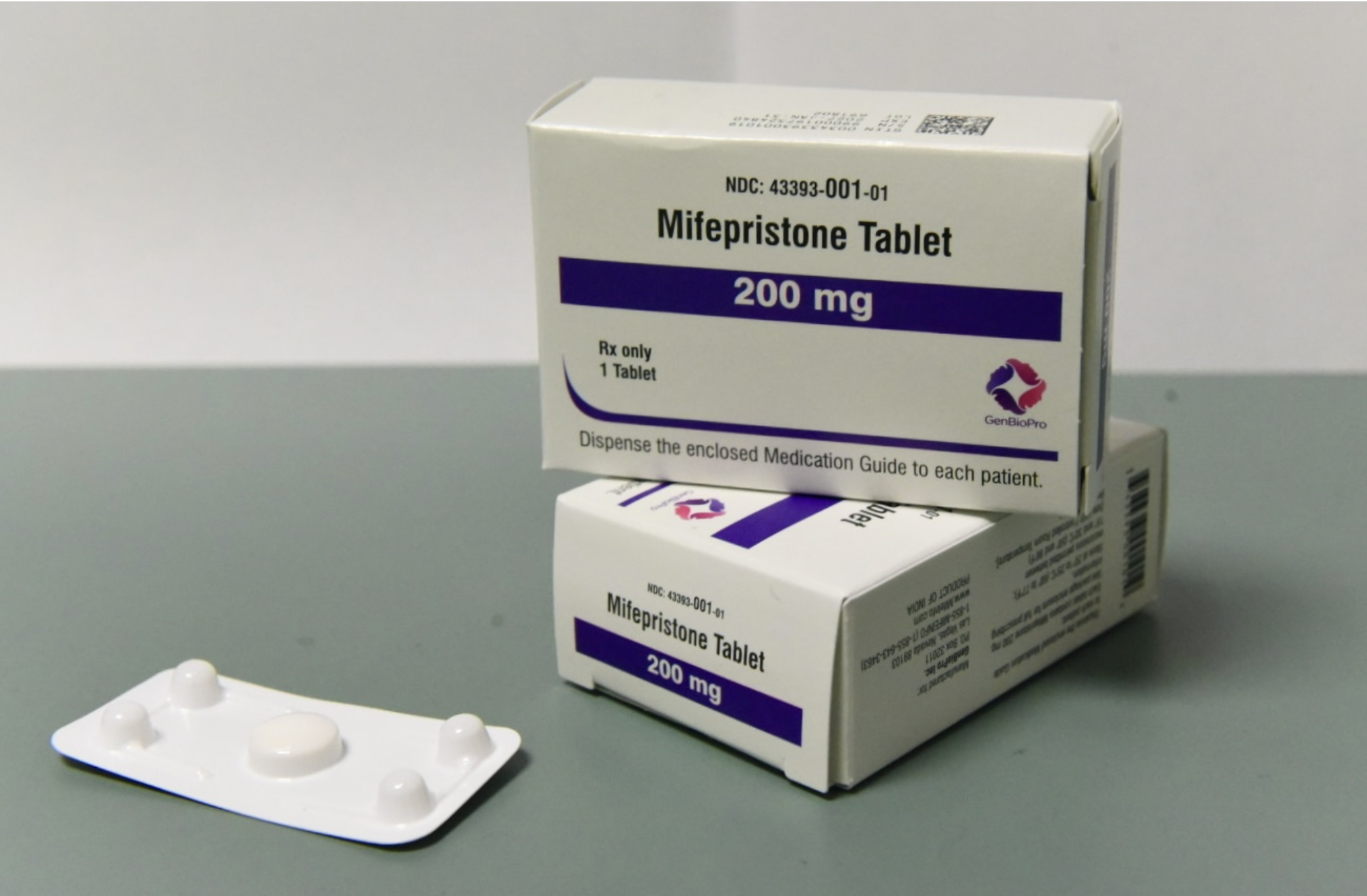
Planned Parenthood clinics in Kansas City, Columbia and St. Louis began prescribing abortion medication this week, as telehealth remains blocked and the state prepares to appeal
By:Anna Spoerre
Missouri Independent
For the first time since 2018, patients in Missouri this week were able to obtain medication abortions without leaving the state.
The shift came after Jackson County Circuit Judge Jerri Zhang ruled last week that nearly all abortion regulations challenged by Planned Parenthood and the ACLU of Missouri are unconstitutional under the abortion-rights amendment voters approved in 2024.
Zhang’s decision struck down decades of laws enacted by anti-abortion lawmakers, including a mandatory pelvic exam for patients seeking medication abortion, a 72-hour waiting period between an initial consultation and an abortion, as well as a state-approved complication plan for doctors prescribing medication abortion.
Missouri Attorney General Catherine Hanaway said her office will appeal the decision to the Missouri Supreme Court. But Planned Parenthood anticipated a favorable circuit court ruling and pre-ordered abortion medication so clinics could immediately begin offering appointments.
“Patients flocked to them and made those appointments and then showed up for them,” Dr. Margaret Baum, chief medical officer at Planned Parenthood Great Rivers, said Wednesday, sitting in her office at the clinic in St. Louis’ Central West End.
Baum began seeing patients to prescribe abortion medication Monday morning. For the first time in years, she wasn’t required to hand them a pamphlet stating: “The life of each human being begins at conception. Abortion will terminate the life of a separate, unique, living human being.”
On Tuesday, Baum said, a woman came to the clinic after rescheduling an appointment she’d initially made for a few weeks later in Illinois.
The woman lives in St. Louis, so she made a quick trip over after work. Baum handed her mifepristone and misoprostol, the two medications used to end a pregnancy in the first trimester, and the woman expressed relief that she didn’t have to take time off work or spend gas money to travel to Illinois. And she was able to schedule an appointment for weeks sooner than originally planned.
“She said she was wholeheartedly excited and relieved she could get this care here,” Baum said.
Baum said this patient was one of several who have told her they were able to access abortion sooner following last week’s decision, rescheduling medication abortion appointments originally booked out of state.
In Columbia and Kansas City, Planned Parenthood clinics also began prescribing medication abortion this week.
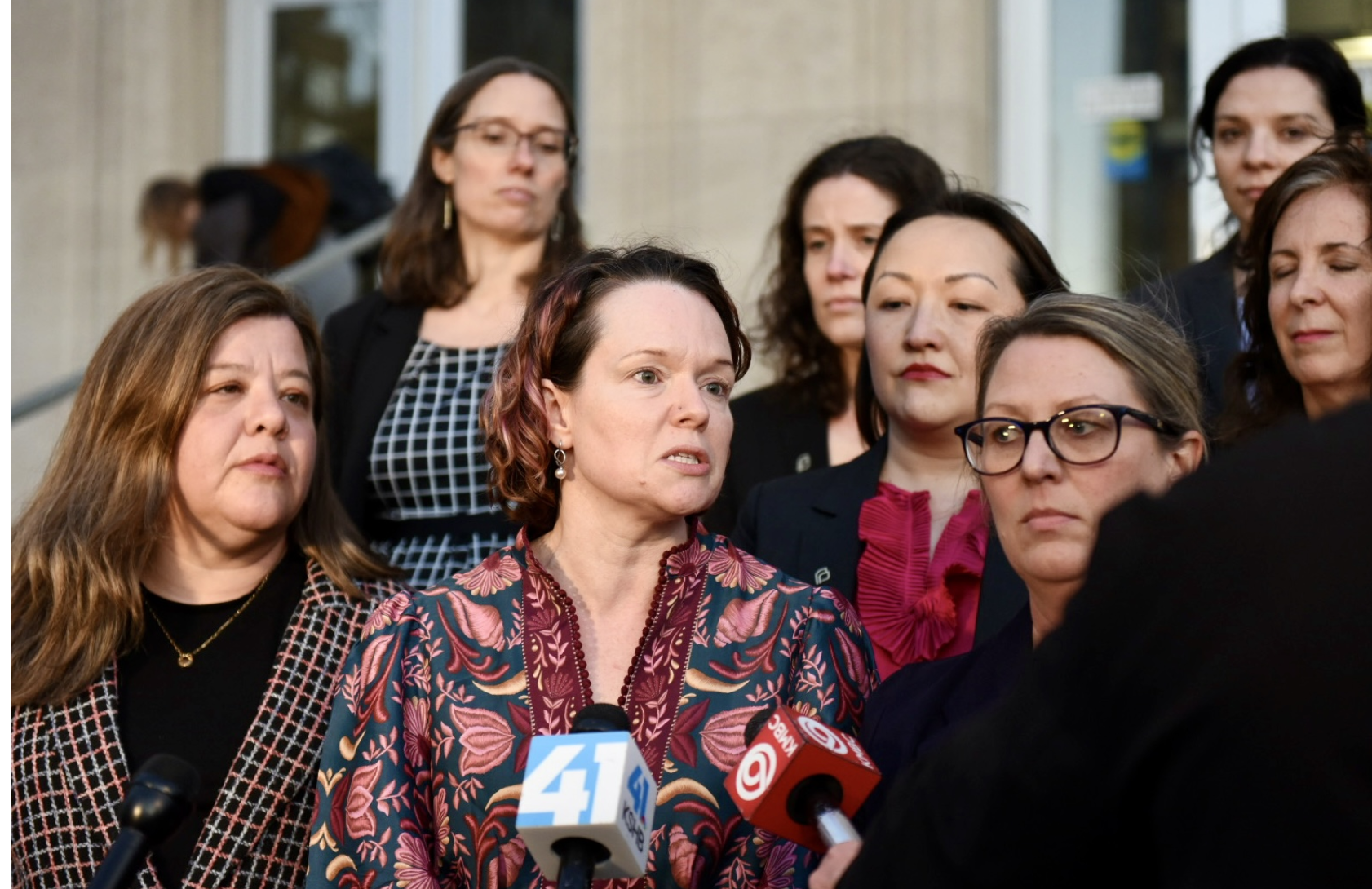
Emily Wales, president and CEO of Planned Parenthood Great Plains, which operates clinics in Missouri, Kansas and Arkansas, said at a press conference Monday that she’s been reflecting on the calls her staff had to make in 2018 when they told patients with scheduled appointments that they could no longer access medication abortion in Columbia.
“We heard the fear, the frustration, and the heartbreak from patients who suddenly had to figure out logistical challenges to access care they should have been able to receive close to home,” she said.
This week, Wales said, her staff made very different phone calls.
Medication abortion is the most common method for ending pregnancy in the United States, used in about two-thirds of abortions. Baum said a majority of her patients in Illinois also prefer to use medication.
The reasons vary, she said. Some patients say it feels less invasive because it does not require a pelvic exam, which can be particularly difficult for those with a history of medical or sexual trauma. Others say it feels more natural because the same medication is used to manage miscarriages. Some want to take the final dose of medication in the privacy of their own homes.
Anti-abortion advocates and lawmakers have increasingly targeted mifepristone in a continued effort to limit abortion access nationwide. Some of Missouri’s most powerful elected officials, including U.S. Sen. Josh Hawley, have been central to that effort.
Four years ago Wednesday, the U.S. Supreme Court issued the Dobbs v Jackson Women’s Health Organization decision returning abortion law to the states. Missouri was the first state to enact an abortion ban.
Two years later, Missourians narrowly approved a citizen-led constitutional amendment protecting abortion access up until fetal viability. Planned Parenthood and the ACLU of Missouri then sued over dozens of abortion restrictions they argued were unconstitutional under the amendment.
Procedural abortions resumed at Missouri clinics in 2025 after Zhang temporarily blocked some of the regulations. Following a 10-day bench trial in January, she struck down nearly all of the challenged laws in her ruling last week, opening the door to the most widespread abortion access Missouri has seen in a decade.
Wales said Monday she was disappointed Zhang upheld the in-person dispensing requirement for mifepristone and the physician-only requirement, saying those restrictions will prevent Missourians from accessing medication abortion via telehealth or at every Planned Parenthood clinic.
“We’re disappointed because there will be less access statewide because that restriction remains in effect,” Wales said. “That’s one piece of a very long, very thoughtful decision; however, and so with so many of the other restrictions not in effect we will be able to expand much more quickly.”
Planned Parenthood officials on both sides of the state said they’re working to expand medication abortion access to other clinic locations while working within the parameters of a small physician team.
Missouri’s Republican Gov. Mike Kehoe called Zhang’s decision disappointing and dangerous.
“Abortion providers will no longer be held to basic standards that keep patients safe and hold clinics accountable,” he wrote on social media, calling on Missourians to support a November proposal that would again allow the state to ban abortion.
This debate over patient safety was at the heart of the January trial in Kansas City.
Attorneys with the state argued that the regulations are common sense and necessary to protect women. Attorneys with Planned Parenthood argued the laws had the effect of whittling down abortion access in Missouri until it was nearly nonexistent.
Ten years ago, more than 5,000 abortions were performed in Missouri, according to data from the Missouri Department of Health and Senior Services. By 2020, with the enactment of additional regulations, that number dropped to 167.
In 2024, zero elective abortion took place in Missouri, but several thousand Missourians still ended their pregnancies by traveling to clinics in Illinois and Kansas.
Abortion complications were also debated at length during the January trial. Evidence presented to the court laid out that about 1% of the more than 53,000 Missourians who received abortions over the last 10 years in Illinois and Kansas experienced complications, ranging from infection to incomplete abortions to hemorrhaging.
Bleeding and cramping are expected side effects of both medication and procedural abortions.
In her decision, Zhang referenced some of these risks as part of her reasoning behind upholding the in-person dispensing requirement for mifepristone. She wrote that an in-person appointment “would allow medical professionals to better rule out an ectopic pregnancy” and determine gestational age before prescribing the medication.
Baum said Wednesday that she has mixed feelings about the ruling.
“There is this huge disconnect between feeling great relief and excitement,” she said. “And also just still disbelief that in 2026 we are still arguing about these things.”