


MARC JACOBS
Hutch Post
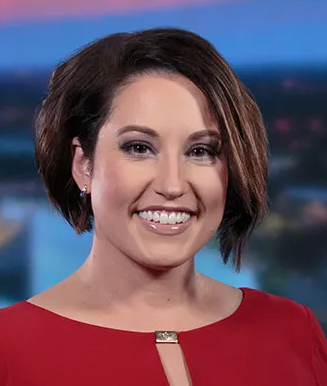
For KSN Chief Meteorologist Lisa Teachman, the path to forecasting Kansas weather began not with a fascination for storms, but with a deep fear of them.
Growing up in Hayesville, Teachman vividly remembers the tornado outbreaks that shaped south-central Kansas in the early 1990s. As a fourth-grader, the devastating Hesston tornado of 1990 changed the way she viewed severe weather.
"I was so scared to death of storms," Teachman recalled. "If you had told me back then that one day I would be the chief meteorologist in Wichita, I would have laughed at you."
Her family's long history of storm spotting only added to her awareness of severe weather. Her grandfather, great-uncle and father all volunteered as amateur radio storm spotters, helping provide real-time reports to emergency officials across Sedgwick County. Storm safety wasn't just something discussed in school — it was part of everyday life.
But despite knowing what to do when tornado sirens sounded, the stories of lives lost during the Hesston tornado left a lasting impression. Hearing about a young boy who died despite taking shelter made Teachman question whether anyone could truly be safe during a tornado.
Those fears intensified during the Great Plains tornado outbreak in April 1991, when her father and sister were out storm spotting while she sheltered with family in her grandparents' basement. The experience became another defining moment in her relationship with severe weather.
Instead of allowing fear to control her, Teachman eventually turned it into curiosity.
That transformation accelerated while she was still in high school when legendary Wichita meteorologist Dave Freeman allowed her to intern in the KSN weather department.
Freeman would ultimately change the course of her career.
Originally planning to attend the University of Oklahoma, Teachman instead followed Freeman's advice to stay in Wichita, earning a communications degree from Wichita State University while simultaneously completing meteorology coursework through Mississippi State University.
It wasn't an easy path.
Teachman often carried 18 to 22 credit hours each semester while working full time at a Derby Walmart to pay for college.
"My parents could not and would not pay for my college education," she said. "It was really up to us."
Freeman even proctored her Mississippi State exams from the KSN weather office, helping prepare her for a television industry that was rapidly changing.
His advice extended beyond weather forecasting.
Teachman learned to shoot video, edit stories, write scripts and report in the field — skills that proved invaluable throughout her career covering everything from severe weather outbreaks to major news events.
After graduating, however, landing that first television job wasn't easy.
The aftermath of Sept. 11 dramatically slowed hiring in television news, and it took nearly a year before Teachman accepted her first full-time position in West Virginia. From there, she and her husband followed career opportunities to the Washington, D.C., area before eventually settling in Kansas City, where she worked at both KMBC and KCTV5.
Returning to Wichita remained a dream.
When the opportunity to become KSN's chief meteorologist finally arrived, Teachman said her family encouraged her to take the chance despite the challenges that came with leaving Kansas City.
Looking back, she believes every step along the journey happened for a reason.
"I think I was always destined to come back to Wichita," Teachman said. "Even as a kid, when I was freaking out about thunderstorms, I think it was more excitement and adrenaline. I just didn't understand it yet."
Today, Teachman stands where she once watched meteorologists inspire her as a young intern, helping Kansans understand the very storms that once terrified her.
It's a journey that proves sometimes our greatest fears can become our greatest calling.