


MARC JACOBS
Hutch Post
As summer temperatures climb across Kansas, a local physician is reminding residents to recognize the warning signs of heat-related illnesses before they become life-threatening.
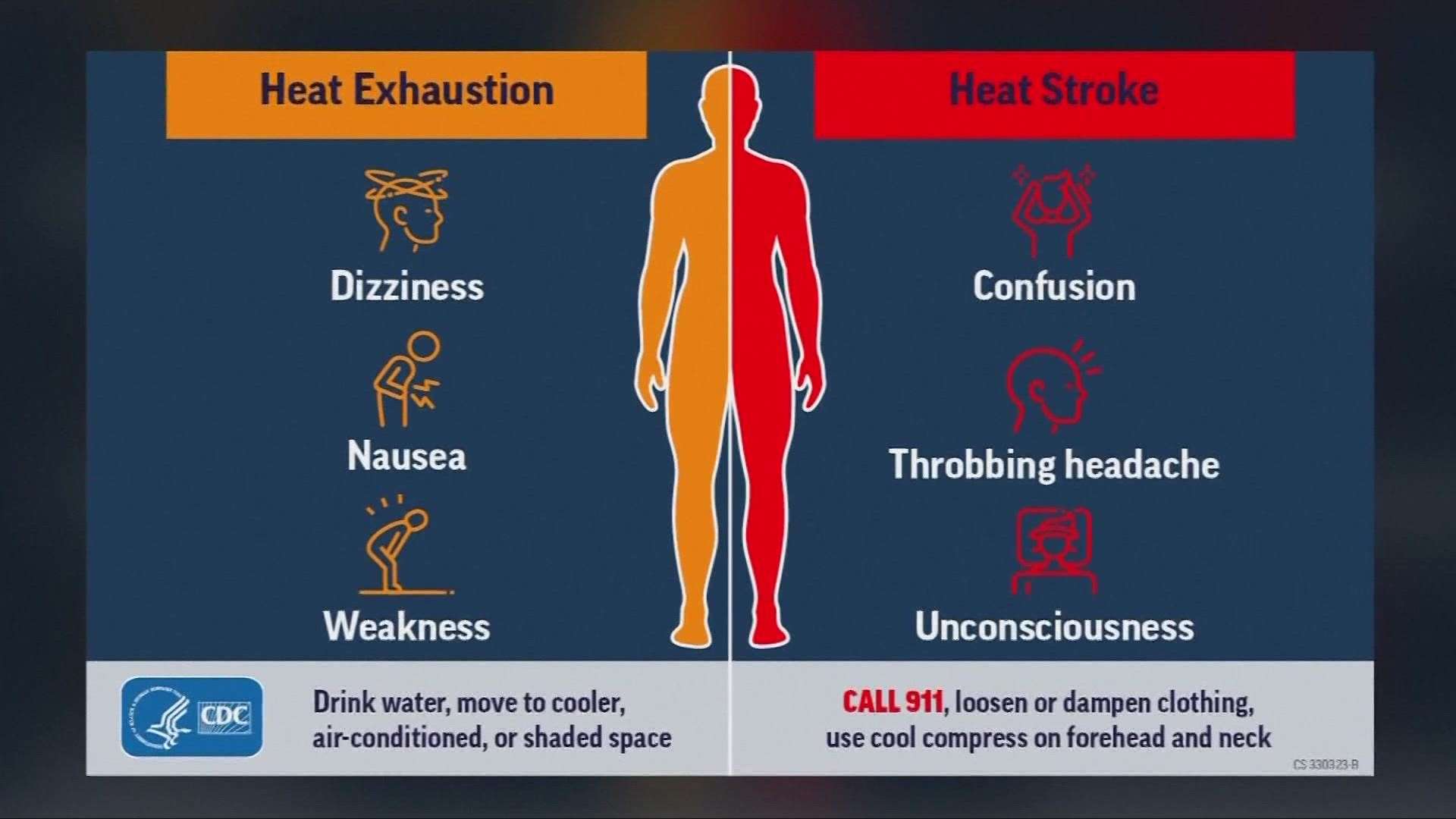
Dr. Cat Jimenez, Family Medicine and Obstetrics physician at Hutchinson Primary Care Associates, said heat-related illnesses occur on a spectrum, ranging from mild conditions such as heat cramps, heat rash, and swelling to more serious cases of heat exhaustion and the medical emergency known as heat stroke.

"The biggest difference between heat exhaustion and heat stroke is the impact on the brain," Jimenez explained. People suffering from heat stroke may become confused, agitated, disoriented, or even experience seizures and loss of consciousness. In severe cases, heat stroke can lead to organ failure and death.
According to Jimenez, early warning signs of heat illness include fatigue, headaches, nausea, vomiting, heavy sweating, and decreased urine output. While many people associate heat illness with excessive sweating, some individuals may actually stop sweating altogether, a dangerous sign that the body's cooling system is failing.
Heat stroke is generally defined by a core body temperature of 104 degrees Fahrenheit or higher. Anyone exhibiting mental confusion, seizures, fainting, or temperatures above that threshold should receive immediate medical attention.
Jimenez noted that heat exhaustion can progress to heat stroke rapidly, especially during periods of high heat and humidity.
"The higher the heat index or humidity, the quicker it can progress," she said, noting that in some cases it can happen within 10 to 15 minutes.
Hydration remains one of the most important preventive measures. Jimenez recommends consuming roughly one-half to one liter of fluids per hour when spending time outdoors in hot conditions. Water is generally sufficient for activities lasting less than an hour, but electrolyte-replacement drinks become important during prolonged or strenuous activity because the body loses electrolytes through sweat.
She also advises limiting alcohol and caffeine consumption during extreme heat, as both can increase the risk of heat-related illness. Certain supplements, including creatine, may also contribute to increased risk.
Several groups face heightened vulnerability to heat illness, including infants and children, older adults, pregnant women, individuals with chronic health conditions, people with disabilities, and those who work or train outdoors.
Humidity plays a significant role in heat-related illness because it limits the body's ability to cool itself through sweat evaporation. When moisture levels in the air are high, sweat cannot evaporate efficiently, making it harder for the body to regulate temperature.
To reduce risk, Jimenez recommends wearing light-colored, loose-fitting, breathable clothing and taking regular breaks in shaded or air-conditioned areas. During periods of extreme heat, workers and athletes may need to rest for at least 15 minutes every 30 minutes of activity.
For individuals experiencing heat exhaustion, cooling measures such as moving to a cooler location, applying water or ice packs, and drinking chilled fluids can help. However, if symptoms do not improve within about 15 minutes or worsen, medical evaluation may be necessary.
Jimenez also stressed the dangers of leaving children or pets in vehicles. Even when outdoor temperatures are relatively mild, the interior of a vehicle can reach dangerous temperatures within minutes. Cracking windows provides little protection, she said.
Finally, she noted that individuals who have previously suffered a heat-related illness may be more susceptible to experiencing another episode in the future.
With heat advisories becoming increasingly common during Kansas summers, Jimenez encourages residents to stay hydrated, monitor symptoms, and seek immediate medical care if signs of heat stroke develop.