



MARC JACOBS
Hutch Post
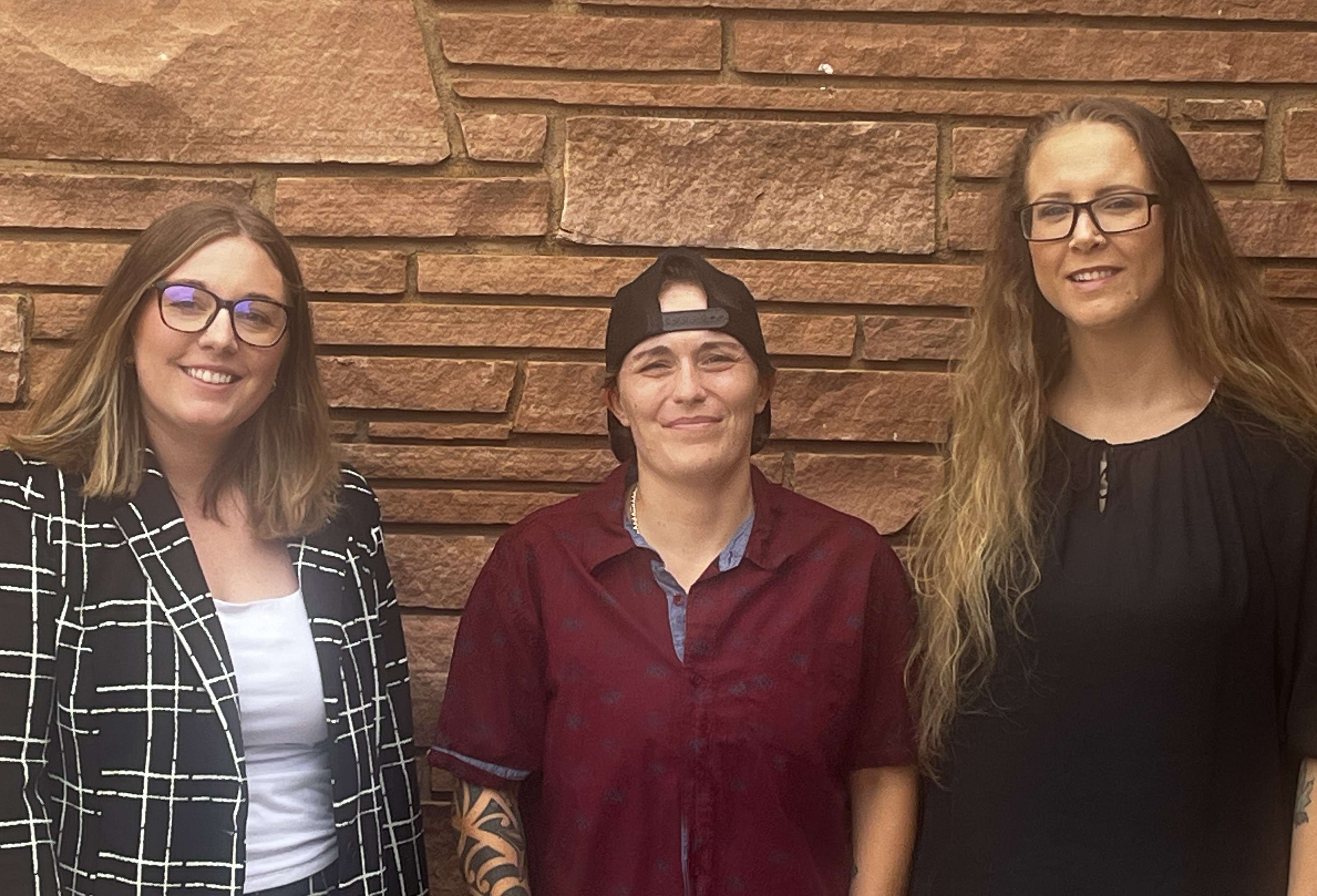
When a foster child first enters the Hutchinson home of Karina Deshazer and Bailey Waring, there may be no immediate hugs, laughter or sense of belonging.
Sometimes, the first meaningful connection is simply sitting together in silence.
“Sometimes meeting them there looks like sitting in silence next to each other on the couch watching a movie,” Deshazer said. “And that’s perfectly okay.”
Deshazer and Waring understand that children entering foster care often arrive frightened, uncertain and unable to trust the adults around them. Both women bring personal experiences to their roles as foster parents: Deshazer spent part of her childhood in foster care, while Waring was adopted.
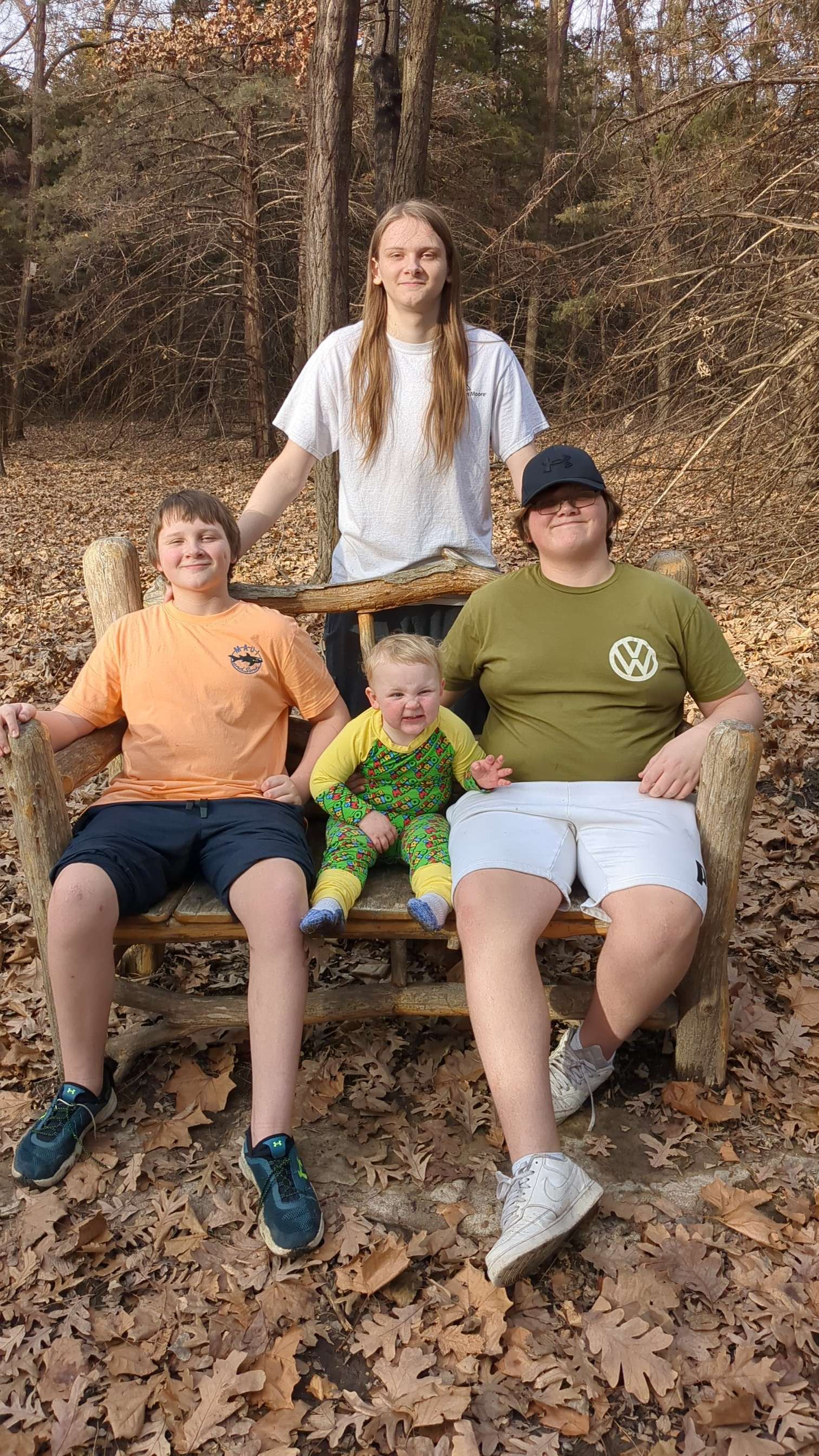
Today, the couple has a busy household that includes four children of their own and three foster children. Their goal is to make an already difficult transition less traumatic for every child who comes through their door.
A journey through foster care
Deshazer’s understanding of the foster care system comes from firsthand experience.
She was moved several times during her childhood and was eventually placed with her biological father, whom she had barely known. She later returned to her mother’s care, but the experience remained with her.
“My first placement was definitely less than hoped for,” Deshazer said. “You kind of have to just grin and bear it. You don’t get too much say.”
The instability can be traumatic, particularly for children who are suddenly separated from familiar people and surroundings. Some children arrive at foster homes with several bags of belongings. Others have almost nothing.
Deshazer said she did not move as frequently as some children in the system, but her experience taught her the importance of providing stability, patience and understanding.
“Our goal is just to make the experience that these kids have less traumatic for them,” she said. “The goal is always for them to leave much happier and healthier than when they arrived at our home.”
Offering children a safe place
Waring’s decision to foster is also rooted in her childhood.
She was adopted after her birth mother decided to place her for adoption. Waring said that decision gave her an opportunity to grow up in a supportive home and inspired her to offer that same support to other children.
“Being able to help a child, even if it’s just fostering and helping them get through a couple years of their life, that’s pretty awesome to me,” Waring said.
She remembers the mixture of fear and excitement that came with welcoming her first foster child. Foster parents may know little about a child’s history, experiences or emotional needs before the child arrives.
Once the child enters the home, Waring said, the first priority is showing them they are welcome.
“This is your home,” she said. “Whatever you need, we have you.”
Building that sense of security does not happen immediately. Deshazer said foster parents cannot expect children to arrive ready to become part of the family. Many have been disappointed or harmed by adults they were supposed to trust.
“You have to accept that and meet them right there,” Deshazer said. “There’s no pushing. There are no immediate bonds. You can’t expect this kid to just run in, arms wide open, wrap around you and just play family.”
Trust must be earned slowly and consistently.
The rewards of fostering
Deshazer first opened her home to a child more than a decade ago through a kinship placement. The child was not a relative but was connected to the family and needed help during a difficult period.
“He had a really, really rough start in life,” Deshazer said. “I took him in during some of his darkest times.”
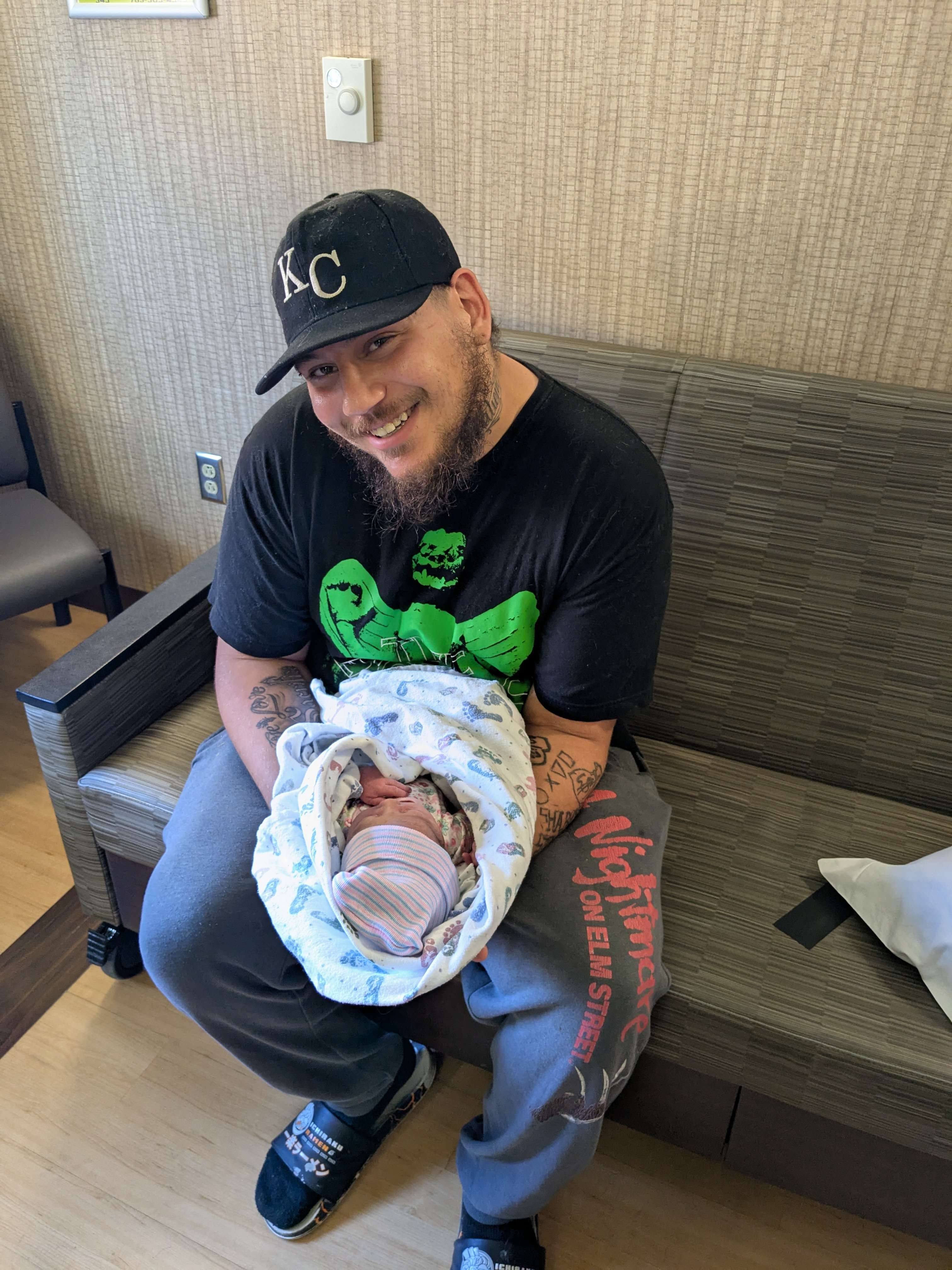
Today, she describes him as a devoted husband and father. His two daughters are now part of Deshazer’s extended family.
“Seeing him today be a stand-up father, a great husband and the father of two of my beautiful granddaughters—it’s very blissful,” she said. “The experience starts out kind of rough sometimes, but by the end of it, it’s completely worth it.”
Not every foster care journey ends with adoption. Reunification with a child’s biological family is often the goal.
Deshazer said her family is nearing the end of one foster care journey and working through the reintegration process with other children. She has also experienced children leaving her home after relatives completed the necessary training to care for them.
Although saying goodbye can be difficult, Deshazer said maintaining family connections is important.
“Keeping kids with family is always kind of first on our priority,” she said.
That includes preserving relationships between siblings. When siblings cannot live in the same foster home, Deshazer said families should work to arrange visits and maintain those bonds.
“It’s very important not only for their development, but for their emotional and mental well-being too,” she said.
More foster families needed
Taylor Forest with TFI Family Services said the organization recruits, licenses and supports foster parents across Kansas.
TFI assists families from their first inquiry through training, licensing and the placement of children. Prospective foster parents complete several weeks of instruction along with a home study and safety walkthrough.
Forest said foster parents come from many backgrounds, and people should not assume they must fit a particular family model to qualify.
TFI also helps relatives and adults who already have a relationship with a child become licensed. Those arrangements may involve grandparents, aunts, uncles, family friends, teachers or coaches.
Children generally benefit when they can remain connected to people they already know, Forest said.
One of the system’s greatest needs is for families willing and able to accept sibling groups. Agencies try to keep siblings together whenever it is safe and the foster home has enough space.
If siblings must be placed separately, arrangements are made to help them remain in contact. However, Forest said placing them together is always preferred.
“If they can be placed in the home, that’s always a win,” she said.
Forest acknowledged that becoming a foster parent can feel overwhelming. However, she encouraged anyone moved by the needs of foster children to learn more before deciding the process is not for them.
“No individual, whether you’re a foster parent or a biological parent, ever feels 100% ready to be a parent,” Forest said. “If something piqued your interest or something touched your heart, reach out. There’s always a need to help these kids.”
Those interested in learning about foster parenting may visit tfifamily.org or call 833-7-FOSTER.