


HUTCHINSON, Kan. — Kansas State Senator Michael Murphy says the future of rural healthcare in Kansas could hinge on stalled legislation tied to the federal 340B Drug Pricing Program, a long-standing initiative designed to help hospitals and clinics stretch limited resources.
Murphy describes the 340B program as a decades-old federal effort requiring pharmaceutical manufacturers to provide discounted outpatient drugs to qualifying healthcare providers. The goal, he said, is to extend care for low-income and rural populations by allowing providers to reinvest savings into patient services.
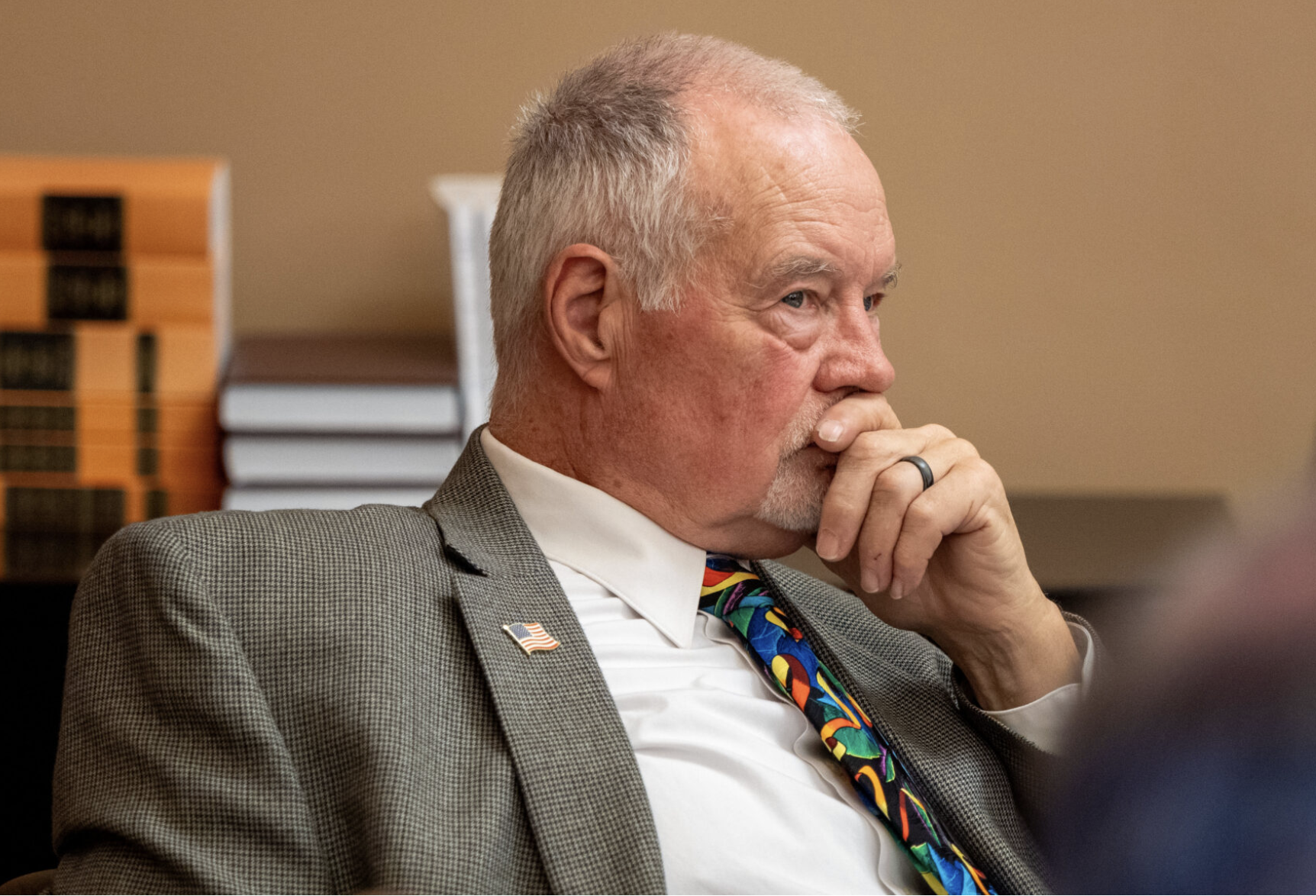
“Clinics and hospitals, especially in rural areas, really depend on this,” Murphy said.
Rural impact and growing concerns
Murphy emphasized that many rural providers operate on extremely thin margins, often relying on 340B savings to offset uncompensated care. Without those savings, he warned, facilities could face serious financial strain.
“What it does is it allows them to recover some of that difference… and use that money,” Murphy explained, noting hospitals frequently treat patients who are unable to pay.
He added that some clinics operate on margins as low as one percent, leaving little room for financial disruption.
“If we don’t get this passed… we’re going to lose a rural clinic in Kansas,” Murphy said.
Dispute with pharmaceutical companies
At the center of the issue is a dispute over how discounted drugs are distributed. Murphy said some pharmaceutical companies have limited the number of pharmacies that can dispense 340B-priced medications, creating access challenges in rural areas where patients may rely on local or independent pharmacies.
That limitation, he said, undermines the program’s intent—particularly in geographically dispersed regions where patients cannot easily travel long distances for prescriptions.
Legislative roadblock
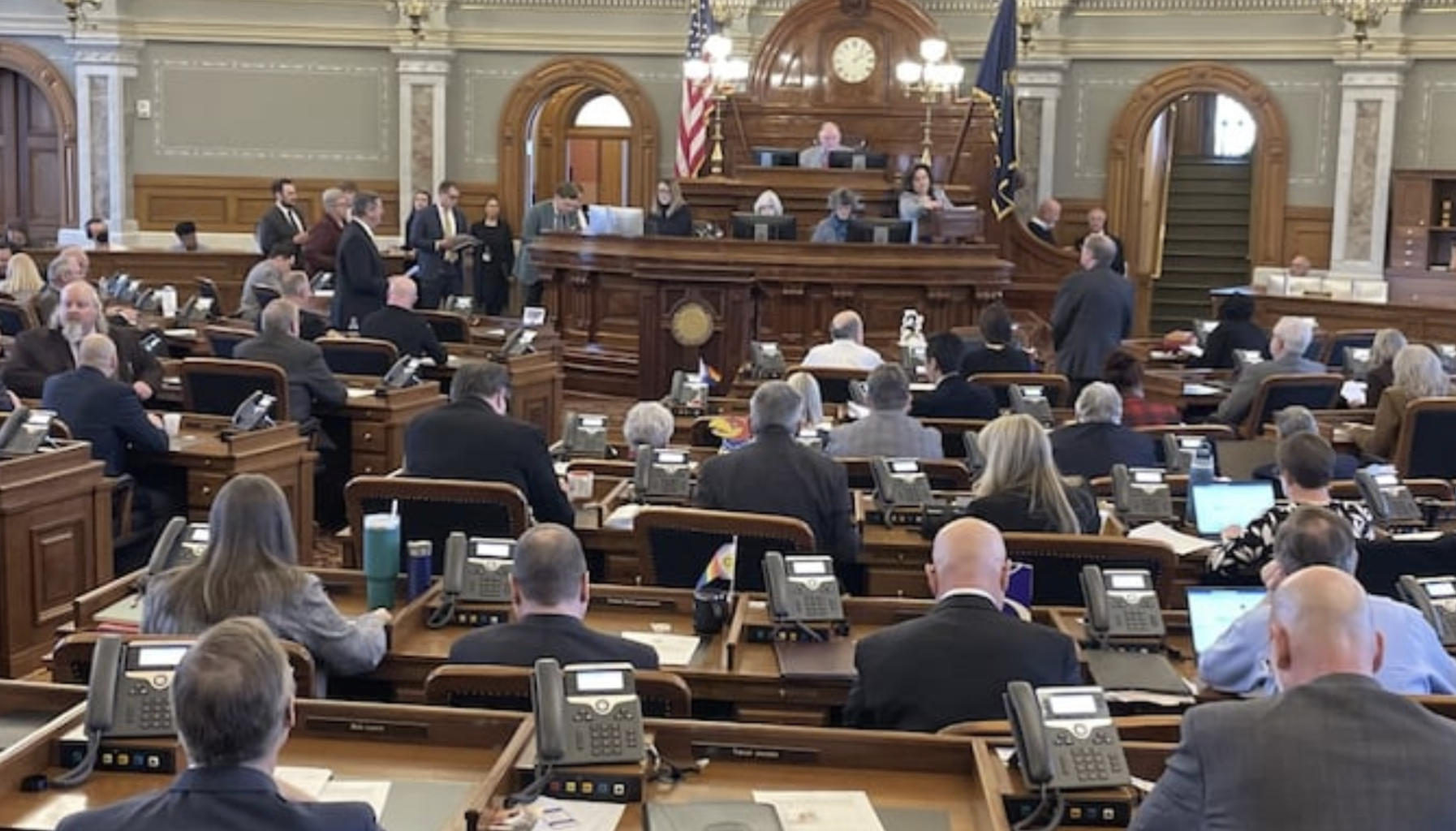
Murphy has pushed for legislation—Senate Bill 284—to address the issue by granting enforcement authority to the state, including the Kansas Attorney General. The bill passed the Kansas Senate with strong bipartisan support but has stalled in the Kansas House.
Murphy criticized House leadership for not bringing the bill to a vote, suggesting there is enough support among lawmakers for it to pass if debated.
“Get it out there on the floor and have the discussion. Whoever’s got the best argument wins,” Murphy said.
He also pointed to procedural moves, including an early adjournment, that prevented further debate on the issue.
What happens next
If the legislation does not advance during the current session, Murphy said lawmakers will have to reintroduce it next year.
“The only way I know is to get the bill passed,” he said, noting that without enforcement mechanisms, the state currently has little ability to compel compliance from drug manufacturers.
Murphy said similar laws have already been enacted in more than 20 states, following federal court rulings affirming state authority over drug distribution practices tied to the 340B program.
As the debate continues in Topeka, Murphy warned that delays could have real consequences for rural Kansans who rely on local healthcare providers.
“We’ve got no authority… no ability to do anything about it right now,” he said.