


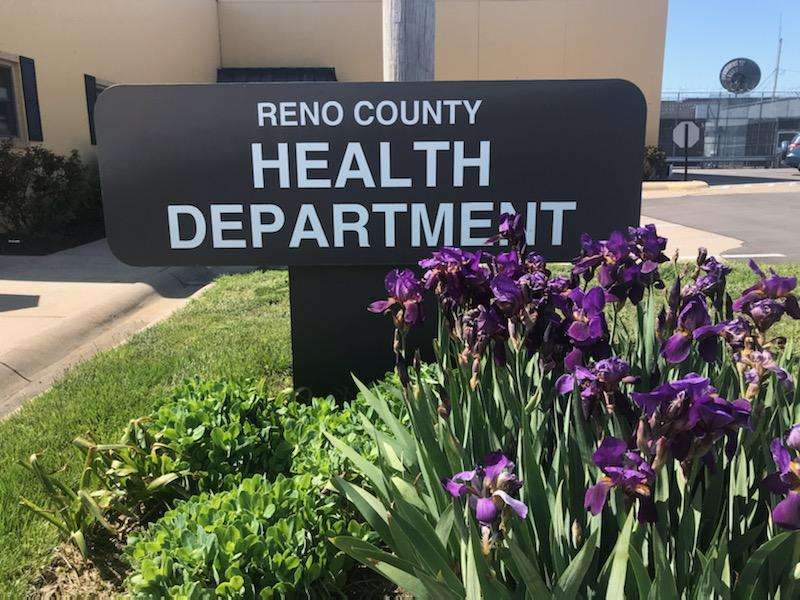
RENO COUNTY, Kan. — The Reno County Health Department has issued a community health alert following what officials described as an unusual spike in overdoses earlier this week.
According to the alert released Thursday, three overdoses were reported within a 24-hour period on May 12. Health officials said the overdoses are suspected to primarily involve methamphetamine.
The Reno County Health Department has tracked overdoses and overdose trends in the county since Oct. 1, 2020. Officials said methamphetamine is a dangerous illegal stimulant that can lead to serious physical and mental health complications.
While naloxone, commonly known as Narcan, does not reverse stimulant overdoses, the health department is still strongly encouraging residents to carry naloxone and learn how to use it because of concerns involving the increasingly toxic drug supply, including the presence of fentanyl and suspected xylazine contamination.
The Reno Recovery Collaborative is recommending several prevention strategies for the community, including encouraging more people to carry Narcan, advising individuals who use substances to never use alone and encouraging friends and family members to regularly check in on loved ones struggling with substance use.
Officials emphasized that recovery is possible and said there are multiple pathways to recovery available in Reno County.
Residents seeking information, support or treatment resources can contact the Reno County Health Department at 620-694-2900. Those interested in learning more about the Reno Recovery Collaborative or local substance use initiatives can contact Thomas Simmons at 620-200-0125 or by email at thomas.simmons@renocountyks.gov.
Local recovery resources include Crossover Recovery, Reno ASAP Alcohol and Drug Services, Horizons Mental Health Center, PrairieStar Health Center, the Recovery Response Team and the SACK Detox Unit.
Additional information about recovery services and support groups is available at Reno Recovery KS. National treatment resources are also available through FindTreatment.gov and the National Treatment Line at 1-800-662-4357.