


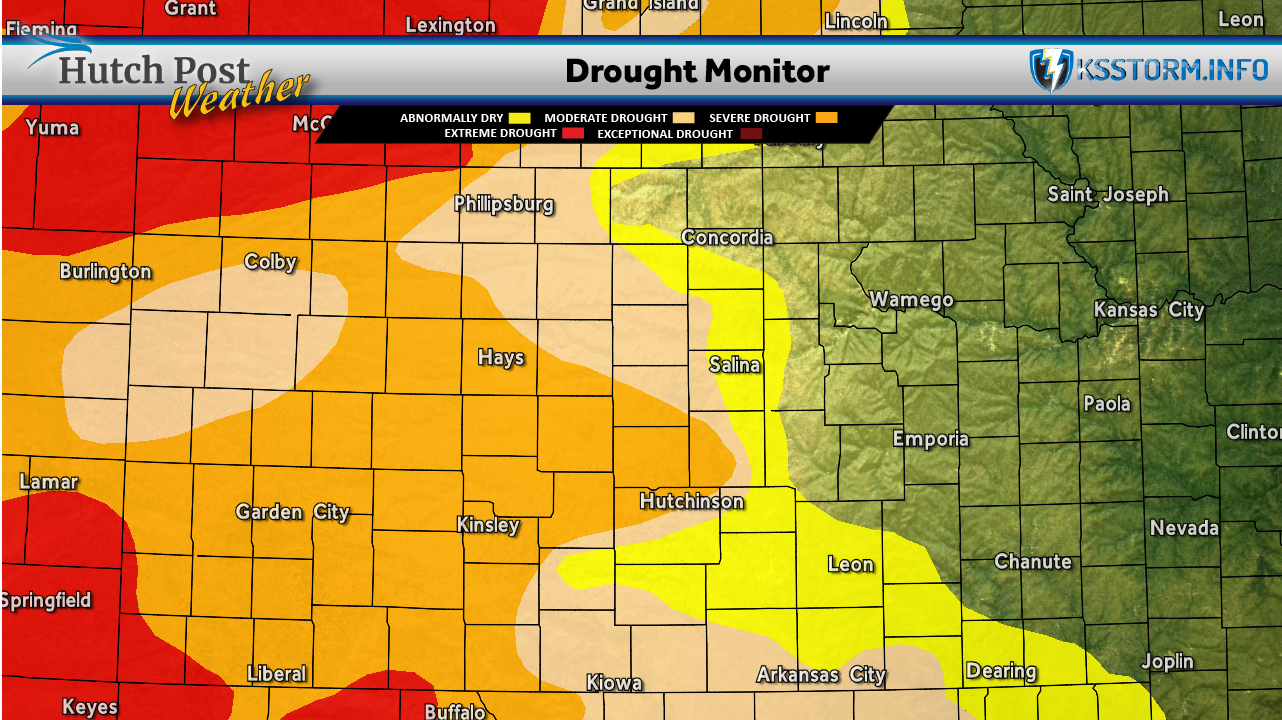
Rainfall over the past week delivered uneven results across the central United States, offering some drought relief in eastern areas while leaving much of the High Plains—including western Kansas—still struggling with dry conditions.
According to the latest regional summary, precipitation largely bypassed the central and southern High Plains, where rangeland, pastures, and winter wheat remain in urgent need of moisture. The dry pattern has been especially problematic for agricultural producers already dealing with lingering drought and recent temperature swings.
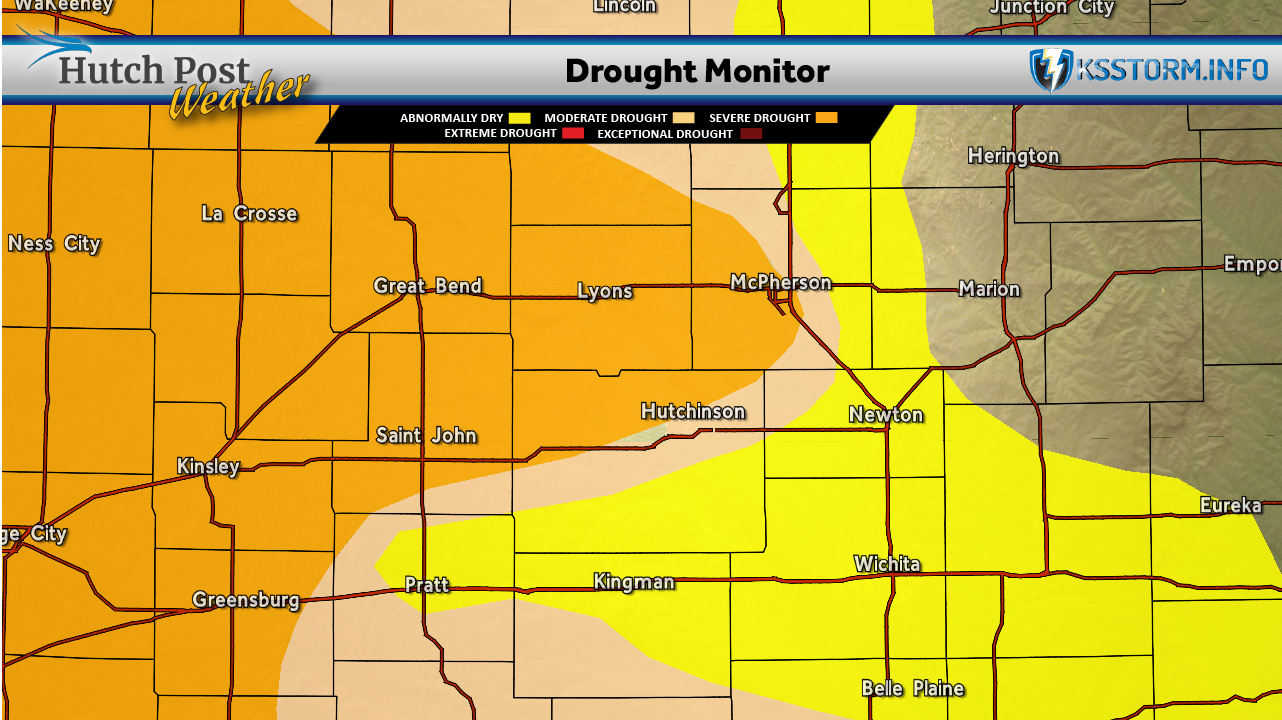
Farther east, conditions improved. Showers and thunderstorms helped ease drought across the eastern Plains, stretching into the mid-South and Mississippi Delta. Eastern Kansas saw some of the heaviest rainfall, along with pockets of severe weather, providing at least temporary relief for soil moisture levels.
Across the broader Midwest, precipitation was more scattered. While some areas picked up beneficial moisture, parts of the Great Lakes region experienced a break from the excessive rainfall that had caused localized flooding earlier this month. Meanwhile, northern New York and much of New England remained cool and dry.

Out west, unsettled weather brought scattered showers and high-elevation snow, particularly north of a line from central California to the central Rockies. While this improved topsoil moisture and reduced irrigation demand in some areas, forecasters say it has done little to change a generally poor outlook for water supplies heading into late spring and summer.
In the High Plains, the situation remains concerning. While some localized rainfall improved conditions in parts of southern South Dakota and eastern Nebraska and Kansas, widespread dryness persists. As of April 26, the U.S. Department of Agriculture reported that topsoil moisture was rated at least 40 percent “very short to short” across nearly all states in the region, with Colorado reporting the worst conditions at 95 percent.
Winter wheat conditions reflect those challenges. In Nebraska, 65 percent of the crop is rated very poor to poor. Colorado stands at 54 percent, while Kansas reports 41 percent of its wheat crop in those lowest categories. Ongoing drought, combined with recent freeze events, has continued to stress crops during a critical stage of development.
Drought conditions also worsened in eastern Colorado and western portions of Kansas and Nebraska, reinforcing concerns about the region’s agricultural outlook as the growing season progresses.
The U.S. Drought Monitor is jointly produced by the National Drought Mitigation Center at the University of Nebraska-Lincoln, the United States Department of Agriculture, the National Oceanic and Atmospheric Administration and the National Aeronautics and Space Administration. Map data couresy of NDMC.