


HUTCHINSON, Kan. - With Thanksgiving approaching, K-State Extension agent Jason Probst is reminding home cooks that proper planning and food safety are just as important as seasoning when preparing the holiday turkey.
Probst, who works in Family and Community Wellness with K-State Extension, discussed safe thawing, preparation, cooking temperatures and leftover storage during a Tuesday morning interview on the Eagle Media Morning Show.
One of the biggest mistakes people make is waiting until the day before Thanksgiving to thaw a frozen turkey.
Probst recommends allowing four to five days for a typical 10- to 12-pound turkey to thaw in the refrigerator. Larger birds may require up to a week.
He cautions against thawing a turkey on the kitchen counter or leaving it in the sink for extended periods because of the potential for bacterial growth and cross-contamination.
"The main thing you want to do is make sure you have that well ahead of time," Probst said.
If using a cold-water method, the water needs to be changed every 30 minutes, and the turkey should be cooked immediately after thawing.
Probst also recommends keeping the turkey and its juices away from other foods during preparation. Bacteria such as salmonella and campylobacter can create foodborne illness if juices contaminate foods that will not be cooked.
When it comes to seasoning, Probst said cooks have several options, including wet or dry brining. He personally prefers soaking his turkey in a brine made with water, herbs and spices to add flavor and moisture.
However, seasoning and brining should always take place in the refrigerator.
For those who prefer traditional turkey dressing, Probst said stuffing the bird before roasting is an option, but cooks need to account for additional cooking time.
A stuffed turkey can take approximately an hour longer to cook than an unstuffed bird. He also cautions against overstuffing because the center of the dressing may not reach a safe temperature.
The stuffing must reach an internal temperature of 165 degrees Fahrenheit before it is safe to serve.
Probst said the most important part of cooking a turkey is making sure the meat reaches the proper internal temperature.
K-State Extension recommends roasting a turkey in an oven set at no lower than 325 degrees. An unstuffed turkey weighing 12 to 14 pounds generally takes approximately three to three and three-quarter hours to cook. A stuffed bird may take close to four hours.
However, cooking times can vary depending on the size of the turkey and the oven temperature.
Probst recommends using a meat thermometer and checking several locations, including the breast, thigh and underneath the wing. The thermometer should not touch bone, which can produce an inaccurate reading.
The turkey is ready when the internal temperature reaches 165 degrees and remains steady for approximately 30 seconds to one minute.
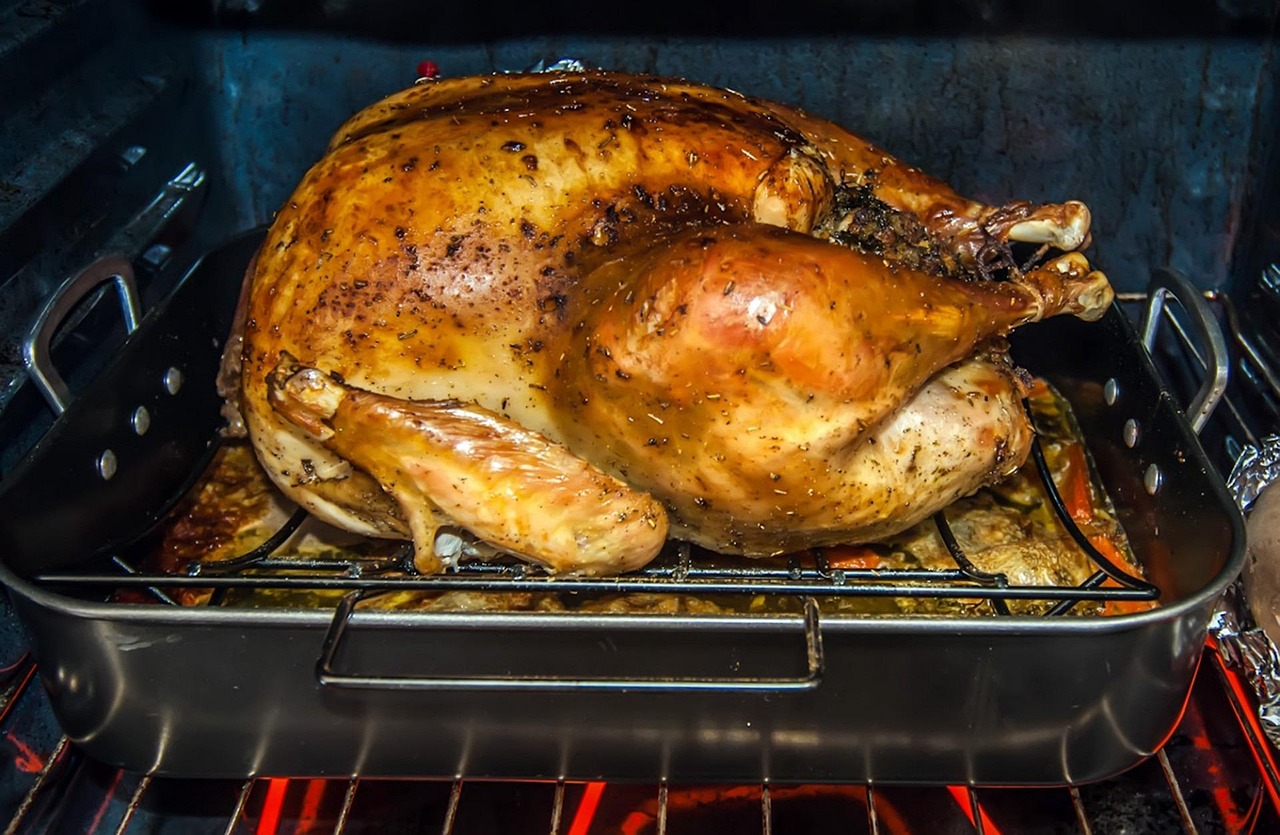
As for cooking methods, Probst said there is no single best way to prepare a turkey. Roasting, smoking and using an oven bag are all options. He prefers roasting his turkey breast-side up, covering it with foil for the first part of cooking and uncovering it toward the end to allow the skin to brown.
Finally, Probst reminded listeners not to overlook food safety when Thanksgiving dinner is over.
Leftovers should not remain at room temperature for more than two hours. He recommends allowing hot food to cool before packaging and placing it in the refrigerator, while avoiding leaving food out for extended periods.
Probst said following a few basic food safety practices can help families enjoy their Thanksgiving meals without the unwanted gift of foodborne illness.
The complete interview with Probst aired Tuesday morning on the Eagle Media Morning Show.
Editorial note: The story follows the interview and keeps the cooking temperatures and times attributed to Probst and K-State Extension. For broadcast or online publication, the two-hour leftover rule is especially important to retain.