


MARC JACOBS
Hutch Post
The Alzheimer's Foundation of America is working to ensure individuals and families facing Alzheimer’s disease have access to support, education and resources—especially caregivers navigating the challenges of the condition.
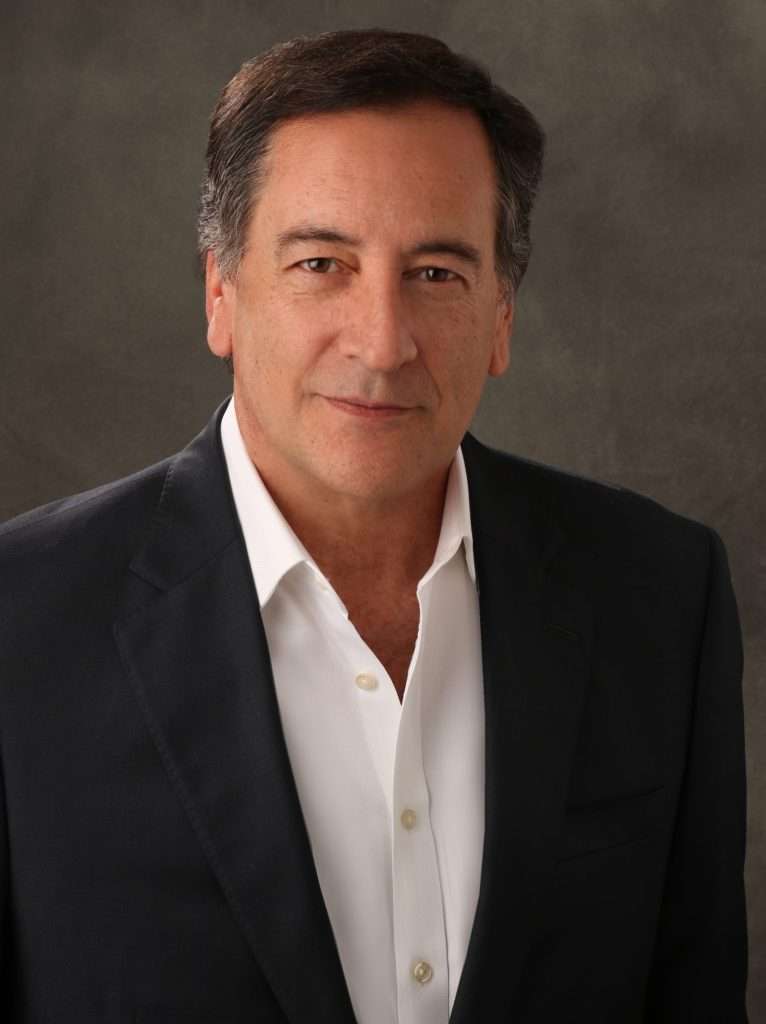
In a recent interview, President and CEO Charles J. Fuschillo, Jr. said the organization was founded in 2002 by a caregiver who struggled to find help while caring for his mother.
“Our primary focus is caring for and supporting caregivers… providing education… and funding research for new therapies and a cure,” Fuschillo said.
Alzheimer’s disease, a progressive brain disorder, affects memory, thinking and behavior. It is the most common form of dementia, which is a broader term used to describe a group of symptoms impacting cognitive function.
According to Fuschillo, more than 7 million Americans are currently living with Alzheimer’s, with women accounting for roughly two-thirds of diagnoses.
Caregiver Support a Central Focus
Fuschillo emphasized that caregiving can take a significant emotional and physical toll.
“It’s overwhelming… that both emotional and physical stress can be overwhelming,” he said.
To help address that burden, the foundation offers a national helpline staffed by licensed social workers trained in dementia care. The helpline is available seven days a week and can be accessed by phone, text or online chat.
“It’s a national toll-free helpline… somebody can just pick up the phone and call,” Fuschillo said.
He also encouraged caregivers to prioritize their own well-being and build a support system.
“You need to develop a caregiving team… because you can’t do it alone,” he said.
Free Memory Screenings Available
The organization also offers free memory screenings—short, non-invasive assessments designed to evaluate memory, language and thinking skills.
“It’s a series of questions… it’s non-invasive and takes maybe 10 to 15 minutes,” Fuschillo said.
Screenings can be conducted in person or virtually and are intended to help individuals identify potential concerns early. However, Fuschillo noted that the screenings do not diagnose Alzheimer’s.
Instead, they can serve as a first step in determining whether additional medical evaluation is needed. Memory issues may also stem from other treatable conditions, such as vitamin deficiencies, thyroid problems, stress or sleep disorders.
Recognizing the Signs
Fuschillo said families should be aware of common warning signs of Alzheimer’s and related dementia, including memory loss—especially involving recent events—confusion about time or place, changes in mood or personality, and difficulty completing familiar tasks.
If those symptoms appear, he recommends seeking medical guidance as soon as possible.
When to Seek Additional Care
As Alzheimer’s progresses, caregivers may face difficult decisions about transitioning loved ones into professional care.
Fuschillo said the process often begins by bringing in part-time help before considering a residential care facility, depending on the severity of the disease and the caregiver’s ability to manage.
“It’s a very, very difficult decision,” he said.
How to Get Help
The Alzheimer’s Foundation of America encourages anyone with concerns about memory loss—for themselves or a loved one—to reach out for assistance.
The organization’s national helpline is available at 866-232-8484, connecting callers with trained professionals who can provide guidance, support and access to services.
Fuschillo said the goal remains simple: ensuring no one faces Alzheimer’s alone.