


MARC JACOBS
Hutch Post
With hot summer temperatures continuing across the area, a retired Hutchinson veterinarian is reminding pet owners to take precautions to protect their animals from heat-related illness and injuries.
Dr. Randy Smith, retired veterinarian and former owner of Apple Lane Animal Hospital, joined the KWBW Morning Show Thursday to discuss hot-weather pet safety. Smith said he will have been retired for three years this September.
Smith said one of the most important things pet owners should remember is that animals do not regulate their body temperature the same way people do.
"The first thing you've got to remember is these animals don't sweat, and so they pant and they exchange heat that way," Smith said.

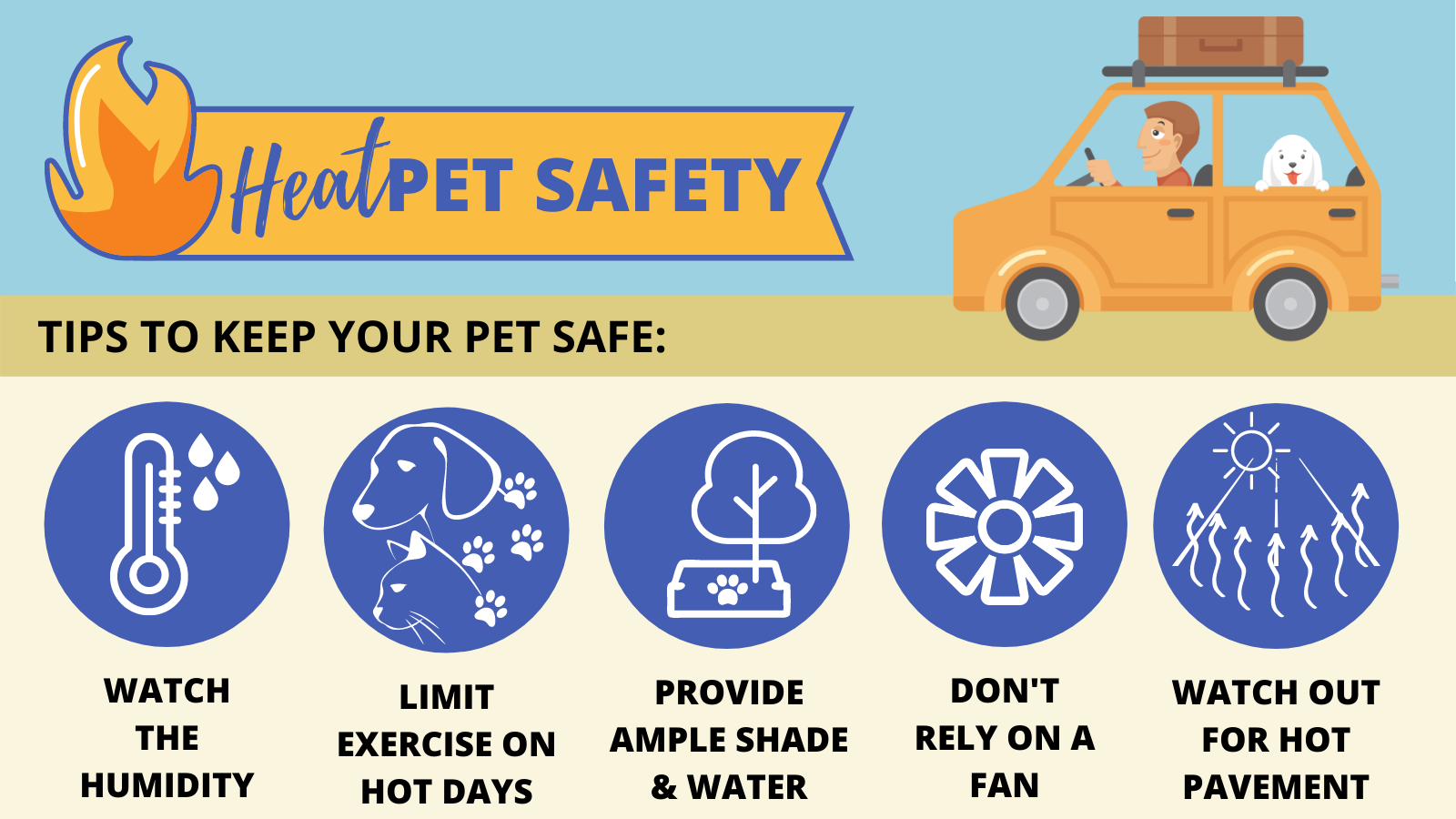
For pets that spend time outside, Smith said owners need to make sure they have adequate shelter from direct sunlight, plenty of fresh water and good airflow. Poorly ventilated areas can become dangerous during extreme heat.
Smith compared the danger to sitting inside a hot vehicle or stepping into a garage during the summer.
"If you sit in that car five, 10 minutes, it's too much for you without it running," Smith said. "So it's going to be too much for them."
Pet owners should also know the warning signs of heat exhaustion or heatstroke. Smith said an overheated animal may become lethargic or less responsive and may begin panting much more rapidly than normal.
"The panting may go from just a normal pant to almost like a hyperventilation, because they can't get cool," Smith said.
Changes in the color of an animal's tongue or mucous membranes can also indicate a problem. Smith said owners who suspect serious overheating should seek veterinary care, particularly because body temperatures reaching 105 or 106 degrees can become life-threatening.
Cooling an animal too rapidly can also create problems, Smith said, making veterinary evaluation important in severe cases.
Some dogs face greater risks during hot and humid weather. Smith said short-nosed, or brachycephalic, breeds can be especially susceptible because they already can have difficulty breathing and cooling themselves efficiently.
Those breeds include dogs such as pugs and bulldog-type breeds. Smith said high humidity can further complicate their ability to handle the heat.
Smith also reminded dog owners to pay attention to the temperature of sidewalks, concrete and asphalt before taking their pets for a walk.
"If it's too hot for you to walk on that concrete with bare feet, it's too hot for them," Smith said.
Walking on extremely hot surfaces can cause injuries to a dog's paw pads. Smith said pads can blister or lose their outer layer, leaving the animal with a painful injury.
The same general rule applies to the overall summer heat, Smith said: conditions that are uncomfortable or dangerous for people can also be dangerous for pets.
Owners should make sure animals have access to shade, plenty of water and adequate ventilation and should limit their exposure to hot surfaces and enclosed spaces during periods of extreme heat.