


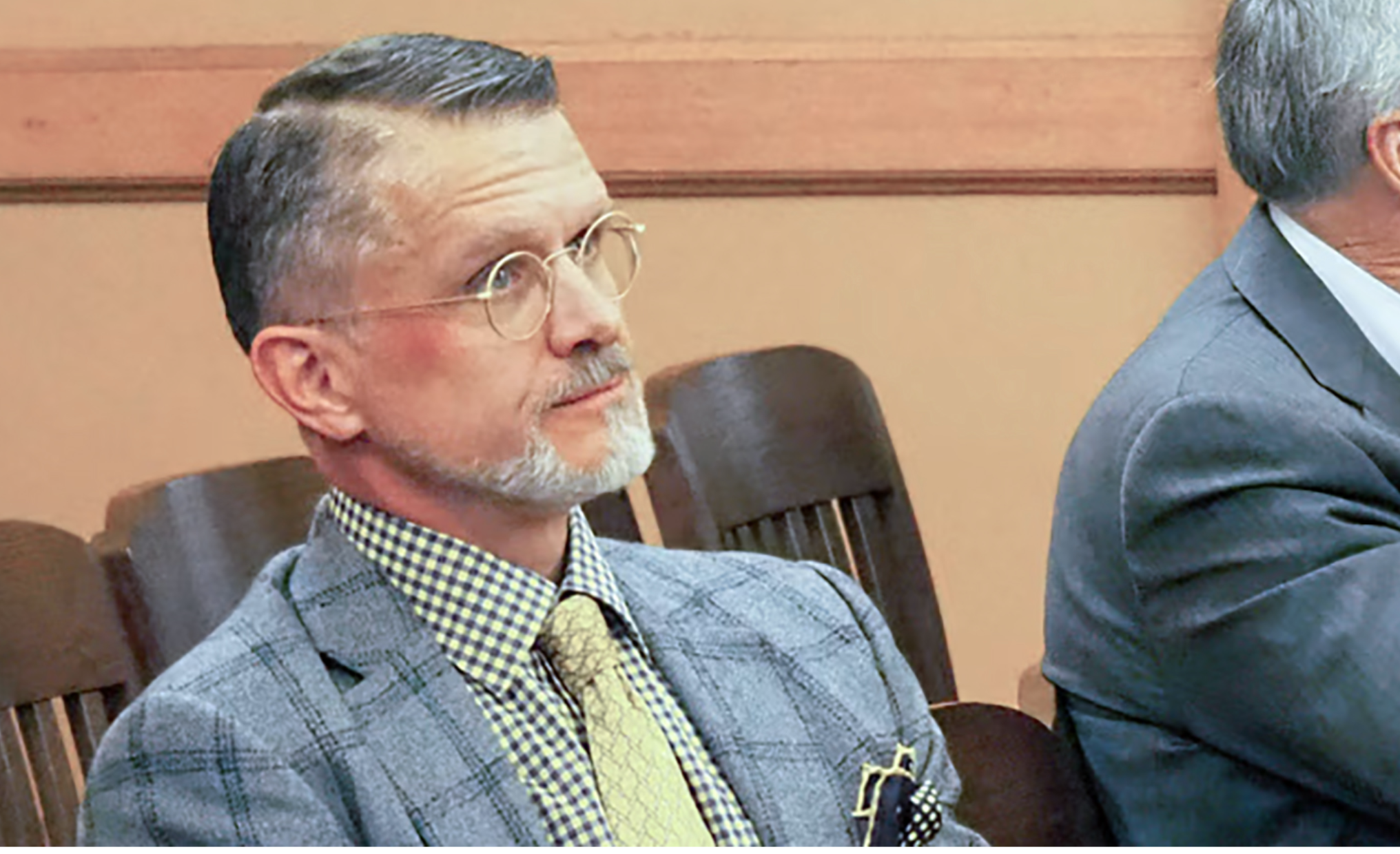
A federal jury in New York has convicted former GWG Holdings Chairman Bradley Heppner on multiple fraud charges tied to a scheme that prosecutors say diverted more than $150 million from the publicly traded company for his personal benefit.
United States Attorney for the Southern District of New York Jay Clayton announced that Heppner was found guilty following a three-week trial before U.S. District Judge Jed S. Rakoff. The jury convicted the 60-year-old Dallas resident of securities fraud, wire fraud, conspiracy to commit securities fraud and wire fraud, and making false statements to auditors.
According to prosecutors, Heppner carried out the scheme between 2018 and 2021 while serving as chairman of GWG Holdings, a Nasdaq-listed financial services company that raised money through bonds sold largely to retail investors and retirees.
Federal prosecutors said Heppner used a shell company known as Highland Consolidated Limited Partnership, or HCLP, to fabricate a supposed $141 million debt owed by Beneficient, a GWG subsidiary founded by Heppner. Prosecutors said Heppner falsely told GWG’s board of directors that payments were needed to satisfy legitimate debt obligations.
Authorities said Heppner concealed the fact that he controlled HCLP and personally benefited from the payments. Investigators testified that company funds were routed through multiple entities before ending up in Heppner’s personal accounts.
Prosecutors said the money was used for personal expenses, including renovations to a Dallas mansion, private jet travel and jewelry purchases.
Federal authorities also accused Heppner of creating fraudulent and backdated documents to mislead auditors reviewing whether HCLP operated independently from him. Prosecutors said that after GWG received a subpoena from the Securities and Exchange Commission, Heppner falsified board meeting minutes to make it appear he had disclosed his financial relationship with HCLP.
In announcing the conviction, Clayton said Heppner “used shell companies to hide his scheme” and later “doubled down by falsifying emails and backdating documents to lie to the auditors, directors, and the SEC.”
The case also carries significant ties to Kansas.
Heppner persuaded the Kansas Legislature five years ago to authorize a unique bank charter for a Beneficient subsidiary. Supporters argued the charter would help attract wealthy clients seeking liquidity from hard-to-trade assets. The proposal faced opposition from the Kansas banking commissioner at the time.
Beneficient was heavily promoted by some Kansas lawmakers and economic development advocates as a major opportunity for Heppner’s hometown of Hesston and the state economy.
As legal and financial troubles surrounding Beneficient mounted, the controversy became politically damaging for legislators who had championed the company. Before adjourning the 2026 legislative session, the Kansas House and Senate passed legislation prohibiting any Kansas state agency from serving as receiver for a failed Beneficient entity.