


AAA KANSAS
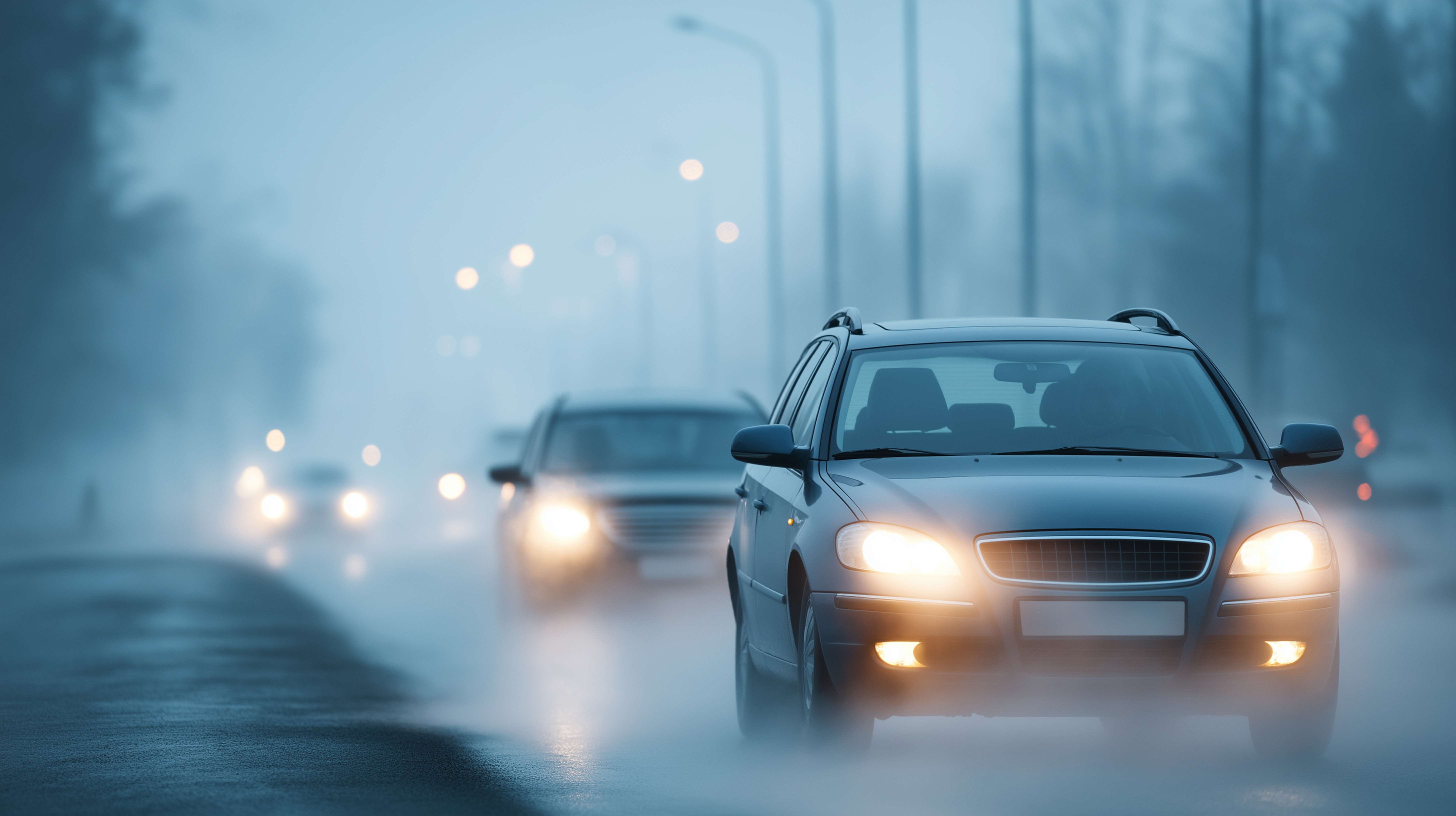
Spring and summer are a time to keep an eye to the sky and stay weather-aware. As many people in this part of the country are aware, strong thunderstorms and even tornadoes can strike quickly and Flood2.pngfiercely. Dangerous, damaging storms can catch motorists on the roads, so AAA Kansas urges drivers and their passengers to be prepared and take appropriate safety precautions should they encounter severe weather while traveling in a vehicle.
“Storms are common throughout the spring and summer, so chances are, drivers will encounter severe weather at some point while in their vehicles,” said Shawn Steward, AAA Kansas Public Affairs manager. “A vehicle can either be very a dangerous place to be, or a place of safety, depending on the weather conditions. The key is being prepared for severe weather and reacting the right way to what Mother Nature throws at you.”
AAA recommends drivers be weather-aware, always checking the forecast before heading out, loading a trusted weather app with live radar to their mobile phone, and activating severe weather warning notifications on the phone.
Heavy Rain and Flooding
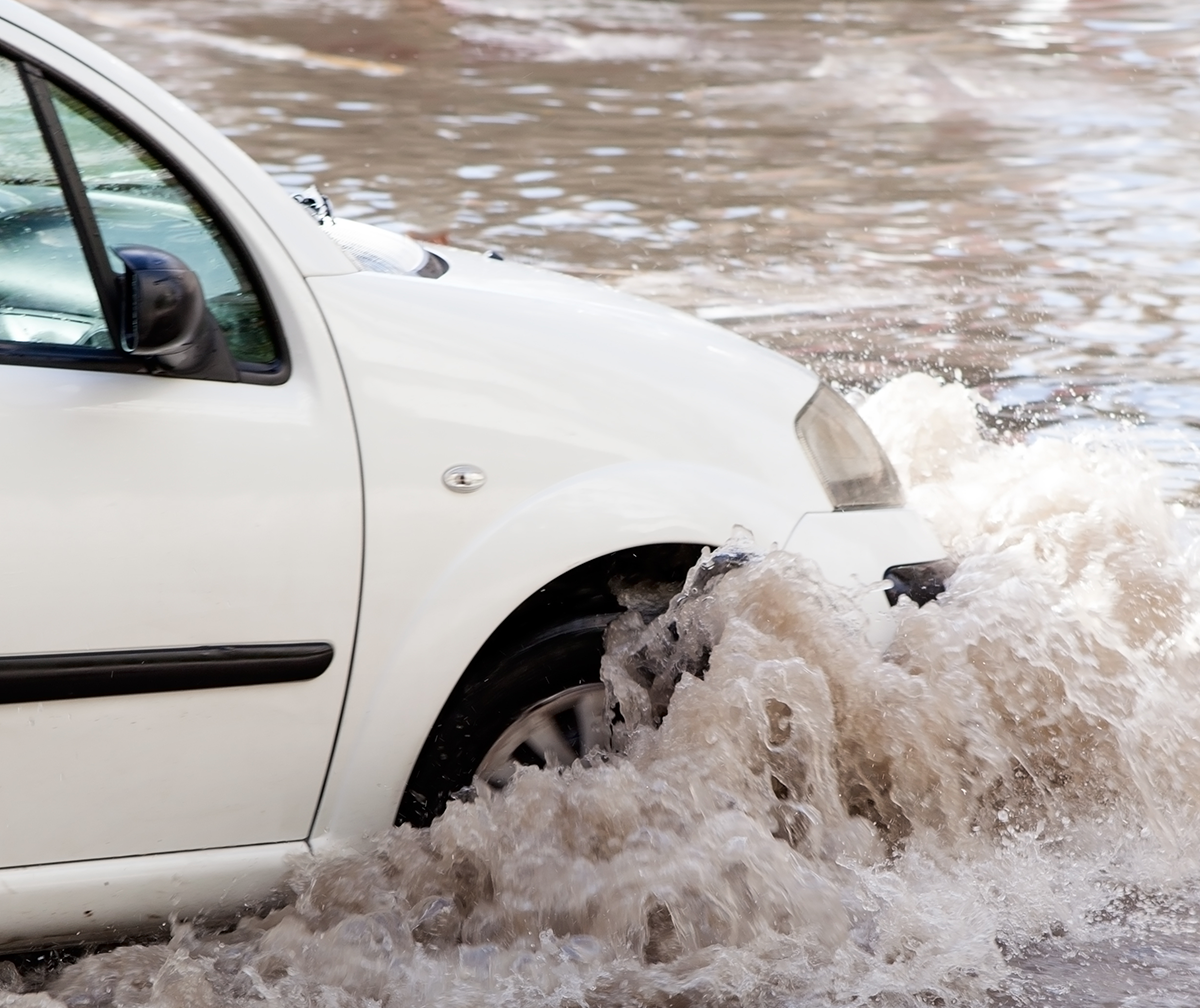
Heavy downpours make it difficult to see while driving. AAA Kansas recommends regularly changing windshield wiper blades to keep drivers’ views as clear as possible. If visibility is severely limited during heavy rain, drivers should reduce their speed and if they can safely do so, pull off the road out of traffic lanes, turn on flashing hazard lights, and wait until the rain lightens.
Drivers should remember that it is Kansas law that if windshield wipers are on, headlights should be as well. Headlights can help divers see better but also allow their vehicle to be seen by other drivers.
Pooling water on roadways can cause hydroplaning and loss of vehicle control, so motorists should reduce their speeds and avoid using cruise control during rainy conditions. Roadways completely covered by water are a particular danger.
“Avoid driving into floodwater,” warned AAA Kansas’ Steward. “Flooding causes more deaths than any other storm-related event, and many of those deaths occur in vehicles. As little as 12 inches of moving water can sweep most vehicles off the road. The slogan ‘Turn around, don’t drown’ is an important one to remember and follow.”
Hail
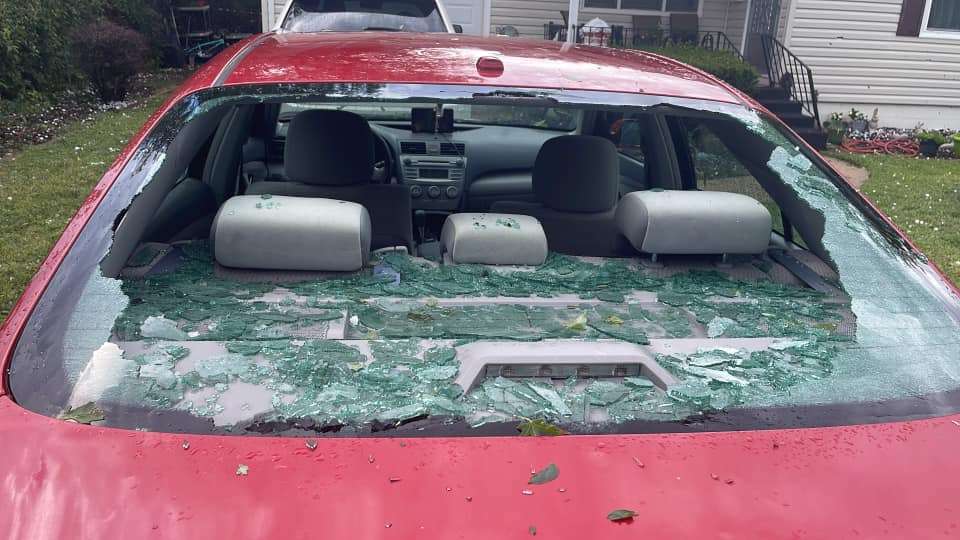
Hailstorms hit with little warning and usually do not last long, but hailstones – frozen pellets of rain – can cause major damage in that short period of time.
There were nearly 5,400 major hailstorms (hail stones one inch in diameter or larger) in the United States in 2025, with 375 occurring in Kansas – second most in the nation, behind only Texas – according to the National Oceanic and Atmospheric Administration (NOAA)/National Weather Service (NWS). Most hailstones are about the size of a pea or marble, but they can get as large as a softball in a severe storm.
“Hail of most any size can dent your car, and larger stones can smash your windows,” said Gary Tomes, Territory Manager, Insurance for AAA Kansas. “And this is not an uncommon occurrence in Kansas. Fortunately, hail damage to a vehicle is covered by your comprehensive auto insurance policy, which covers physical damage to your vehicle not caused by a collision.”
To protect your car from hail damage, park your car in a covered spot, if possible, when thunderstorms are in the forecast.
If you’re in your car when a hailstorm hits and see a safe place close-by, such as a highway overpass (out of the lanes of traffic) or gas station or bank awning, drive to it as soon as you can. If no shelter is available and hail becomes large enough to cause damage, stop driving and pull off the road completely. Move away from car windows and cover your head with your arms or a blanket to protect yourself from any breaking glass.
Lightning
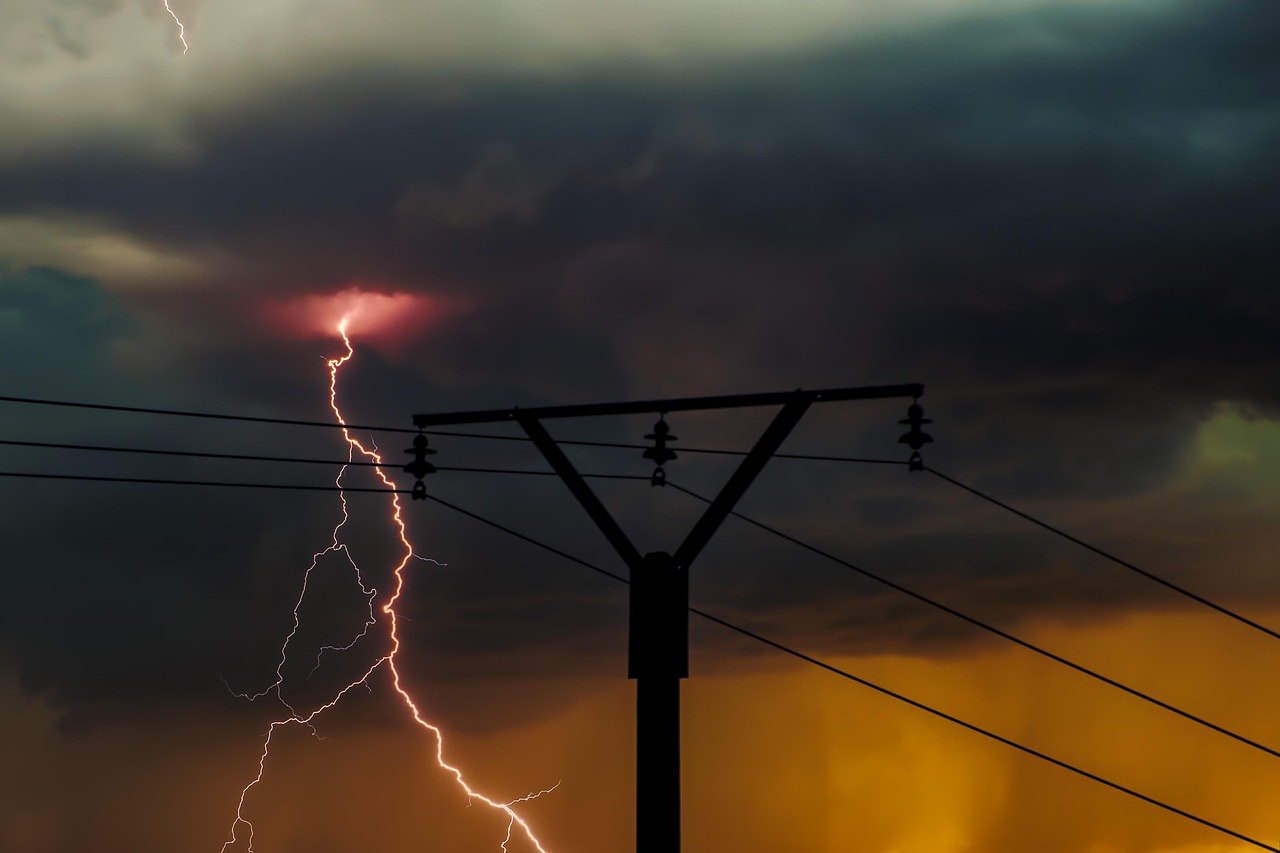
The National Weather Service reports that lightning strikes about 25 million times a year, killing an average of 20 people in the United States and severely injuring hundreds more.
If you are caught outside during a thunderstorm, seek shelter in a hard-topped vehicle, or a low area, such as a tunnel. If you are already in your car when a lightning storm begins, stay in the vehicle for shelter, but steer clear of fences, isolated trees, telephone poles, power lines and pipelines.
Lightning-caused damage to a vehicle is typically covered under the comprehensive portion of an auto insurance policy, said Tomes. Thunderstorms can sometimes have other impacts to vehicles, including:
Damage caused by falling trees due to high winds. This kind of damage is typically covered by standard auto insurance policies. However, if the tree was known to be weak before the storm, the damage may not be covered.
A wildfire that results from a lightning storm can cause damage to cars. Insurance coverage for wildfire, even if caused by lightning, is included in the comprehensive coverage of an auto insurance policy.
Tornadoes
According to preliminary data from NOAA/NWS, there were more than 1,500 documented tornadoes in the United States – 45 in Kansas – in 2025.

Tornado warnings mean danger is imminent. If a tornado is sighted, move to the safest place possible.
“If you are in your car and a tornado is close, abandon the vehicle and seek shelter in a storm shelter or sturdy structure,” said AAA’s Steward. “As a last resort, if no structure is nearby, take shelter in your vehicle – seatbelt buckled; duck down below windows; cover up with a blanket to protect you from glass/debris; and protect your head with your arms.”
Also when taking cover from a tornado, stay away from trees, signs or cars/machinery and avoid seeking shelter where they could fall on or blow over onto you. Most tornadoes travel southwest to northeast, so take that into account when taking shelter.
Finally, never seek shelter from a tornado under a highway overpass or bridge, as tornadic winds can be made stronger and create a wind-tunnel effect, putting you in danger of being swept away or killed or injured by flying debris.
Emergency Kit
AAA recommends that motorists create a spring/summer severe weather emergency kit to carry in their cars. The kit should include items such as nonperishable food/snacks and water, tool kit, flashlight, hand-crank or battery-powered radio, extra batteries, cell phone and charger, first-aid supplies, flares or reflectors, rain coat or poncho, a towel or blanket, and rain boots or an extra pair of shoes.