


MARC JACOBS
Hutch Post
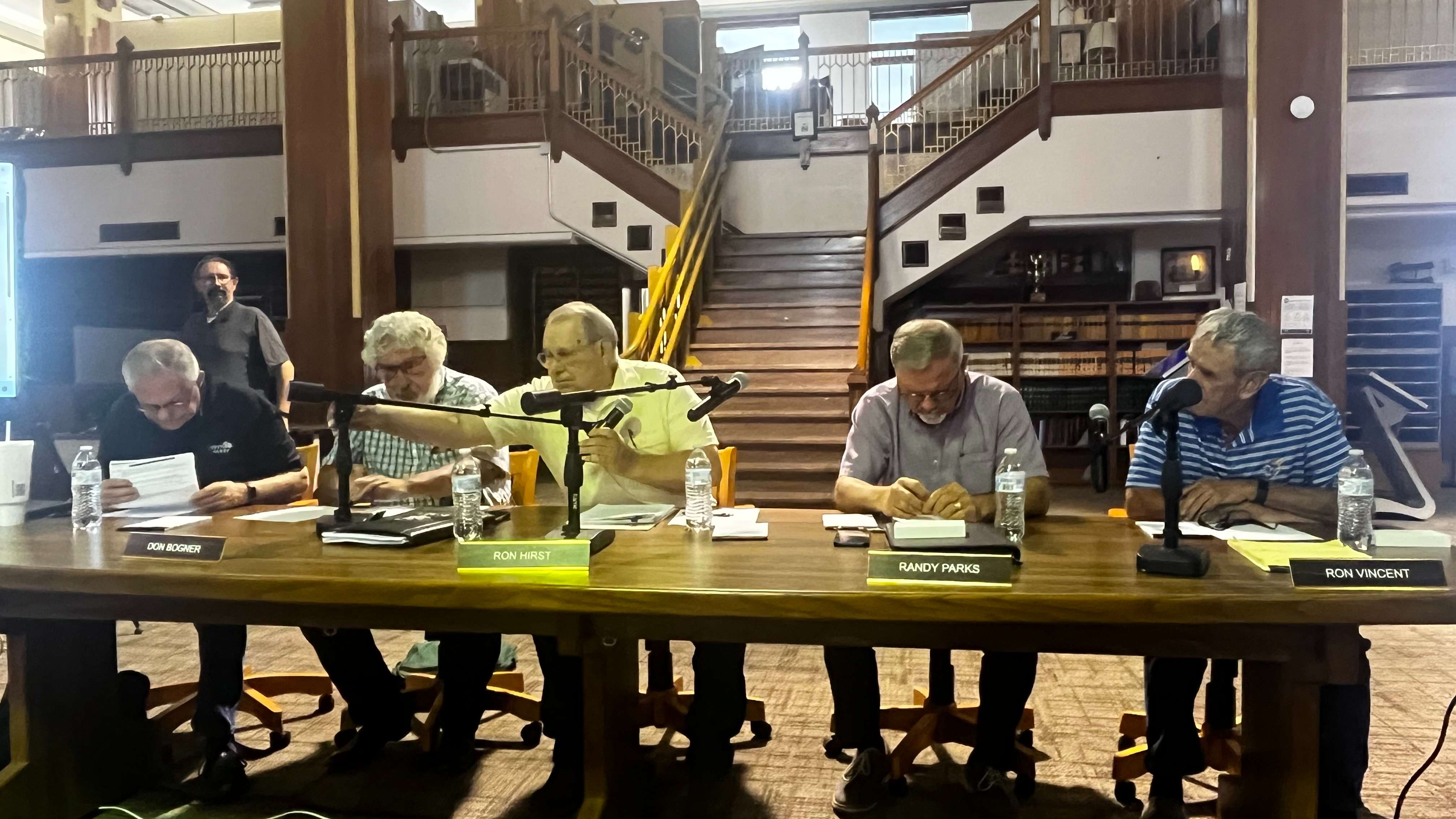
HUTCHINSON, Kan. — Reno County commissioners declined to advance proposals that would have banned battery energy storage systems (BESS) and large data centers in the county's zoned, unincorporated areas during a special meeting held to discuss potential regulations for the emerging technologies.
The meeting followed votes during the commission's June 9 meeting, when proposals to prohibit the developments failed to gain majority support. Commissioners gathered again to discuss possible conditions, regulations and the role of the county's Planning and Zoning Commission should applications for either type of project be submitted in the future.
Much of the discussion centered on battery energy storage systems, which opponents argued pose potential risks to groundwater, public safety and rural residents. Commissioners Don Bogner and Randy Parks expressed concerns about long-term liability, fire hazards and cleanup costs if projects were eventually abandoned.
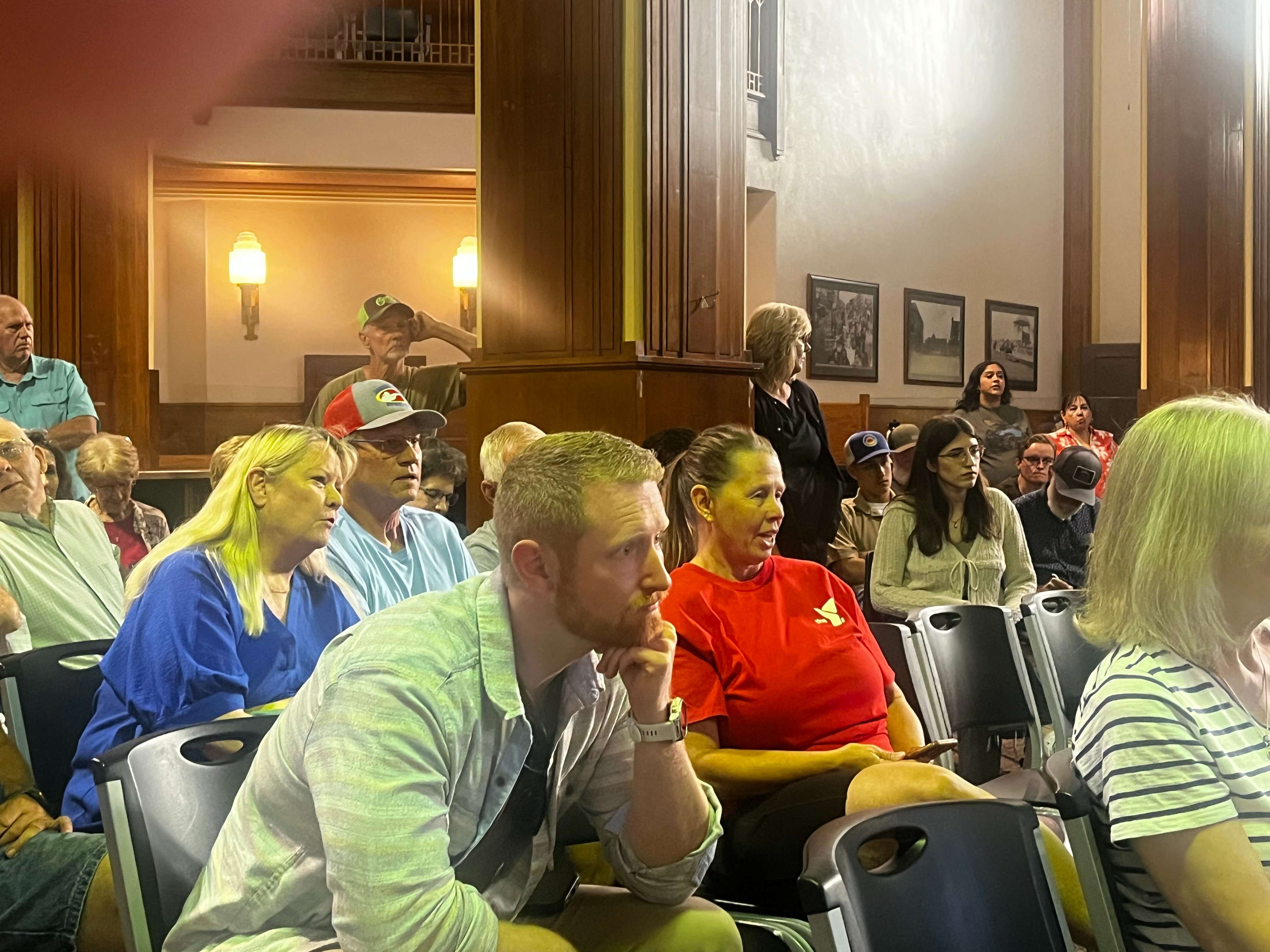
"We need to make sure they will be liable for the cleanup," Bogner said during the discussion, comparing the issue to previous energy development projects that left local governments responsible for environmental remediation.
Supporters of a more measured approach argued that the county should rely on the planning and zoning process to evaluate projects individually and develop appropriate regulations if needed.
County Counselor Jphn Settle explained that the county's authority is strongest in zoned portions of unincorporated Reno County and emphasized the distinction between zoning regulations and conditional use permits. He noted that any future application would first be reviewed by the Planning and Zoning Commission before coming to the County Commission for final action.
Bogner later made a motion to ban battery energy storage systems in the county's zoned, unincorporated areas. Commissioner Parks seconded the motion.
The proposal failed on a 3-2 vote, with Commissioners Ron Vincent, Richard Winger and Ron Hirst voting against the ban. Bogner and Parks voted in favor.
Commissioners then turned their attention to data centers, particularly large "hyperscale" facilities that support artificial intelligence and cloud computing operations.
Opponents raised concerns about water consumption, electrical demand, land use and noise impacts. Bogner argued that large-scale facilities could place significant demands on local infrastructure while limiting opportunities for other economic development.
Discussion also focused on whether the county should distinguish between large commercial data centers and smaller server facilities already operated by businesses, hospitals, banks and government agencies.
Bogner eventually proposed banning data centers larger than one acre in the county's zoned, unincorporated areas. Parks again seconded the motion.
That proposal also failed on a 3-2 vote, with Vincent, Winger and Hirst opposing the measure and Bogner and Parks supporting it.
Following the votes, commissioners discussed possible next steps. County staff and legal counsel clarified that no applications for either a battery storage facility or a large-scale data center have been submitted in Reno County.
Should an application be filed in the future, it would be reviewed through the county's conditional use permit process. That process would include a public hearing before the Planning and Zoning Commission, which would make a recommendation to the County Commission.
Commissioners would then have the authority to approve, deny or return the proposal for further consideration.
No additional motions were made before the meeting adjourned.
As a result, no bans, moratoriums or new regulations were adopted, and Reno County's existing planning and zoning procedures remain in place for any future proposals involving battery energy storage systems or large-scale data centers.