


MARC JACOBS
Hutch Post
HUTCHINSON, Kan. — Mayor Scott Meggers and City Manager Enrico Villegas say a proposed city sales tax increase is the result of more than two years of financial planning and public discussion — not a rushed attempt to raise revenue.
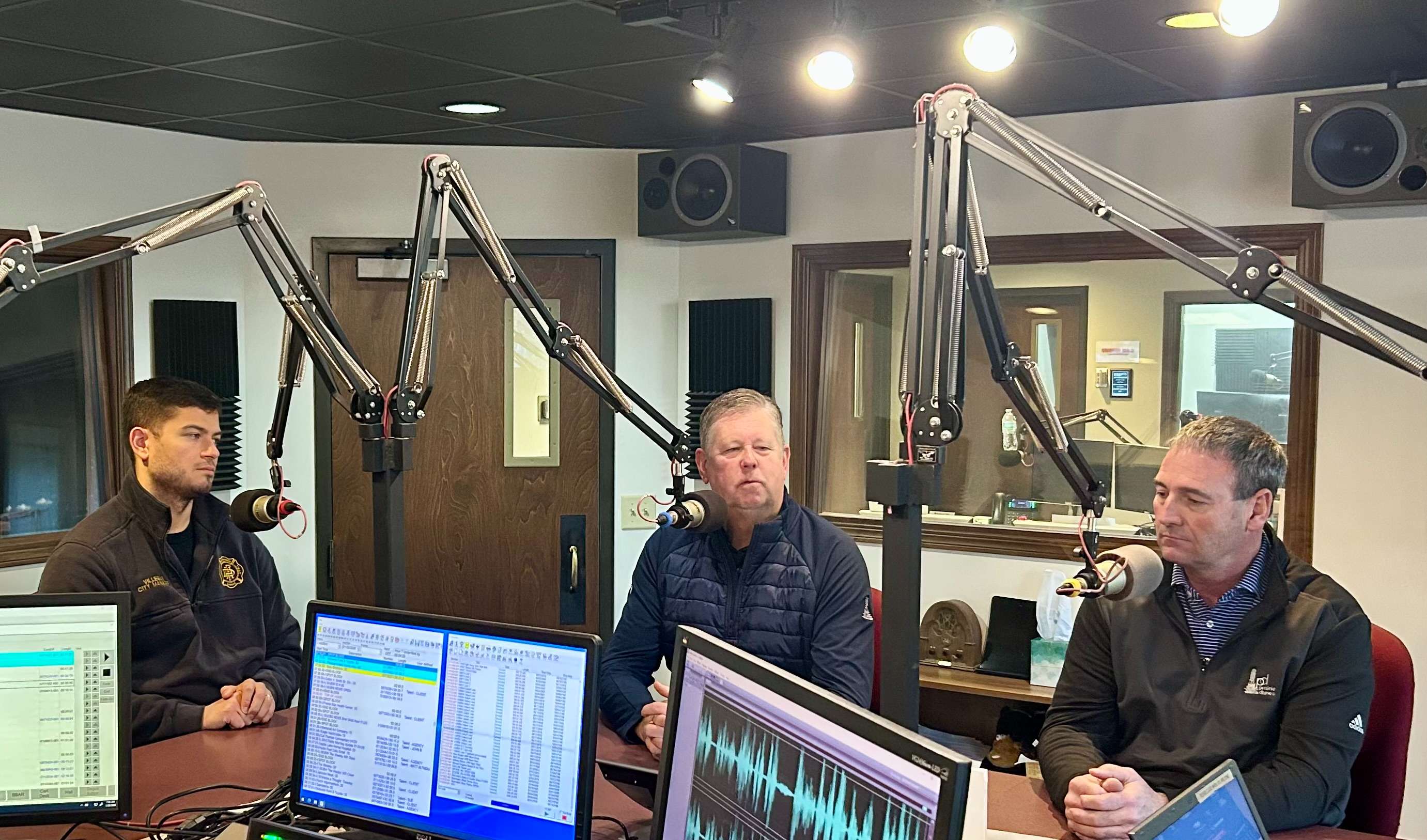
During a recent radio appearance on KWBW, the mayor and city manager addressed concerns raised at community “meet and greet” sessions about the proposal, which would replace Hutchinson’s existing stormwater runoff fee and provide dedicated funding for stormwater, street and parks projects.
Replacing a monthly fee
Meggers said one of the most common misconceptions is that the city is adding a new tax without eliminating anything in return.
Currently, residents who receive a water bill pay a stormwater runoff fee. A typical residential customer pays $5.49 per month, which totals about $60 annually.
If the sales tax proposal is approved, that stormwater fee would be eliminated.
“We are wanting to raise the sales tax, but it is to replace the stormwater runoff fee,” Meggers said.
Because the sales tax would be spread across residents and visitors who shop in Hutchinson, Meggers said it would broaden the base of who contributes to infrastructure costs.
Where the money would go
City leaders have identified three primary funding priorities: stormwater improvements, streets, and parks and facilities.
Stormwater remains a significant focus due to ongoing infrastructure needs and FEMA floodplain map requirements. While Hutchinson has made substantial progress in reducing flood risk, Villegas said additional work remains to address a backlog of projects.
Street maintenance is another major concern. Historically, street funding has been reduced in order to balance the city’s budget. Officials say that has delayed preventative maintenance and increased long-term costs.
“Whether it’s preventative maintenance or even brick streets, those are expensive to deal with,” Villegas said.
Parks and facilities funding would focus on quality-of-life improvements and maintaining city-owned amenities.
City officials have shared financial projections indicating the proposed sales tax would align closely with projected expenditures, covering identified needs without generating surplus revenue.
Consequences if it fails
If voters reject the measure, city leaders say budget reductions would be necessary.
Villegas emphasized that a recent council presentation outlining potential cuts was intended to educate residents about the city’s financial position — not to suggest that specific facilities or departments would automatically be eliminated.
“We’ve historically cut our budgets to the point where in certain departments, the only thing left to give is people,” Villegas said.
He said the city would first look at reducing equipment purchases, cutting material expenses, eliminating or scaling back software contracts and postponing projects. Officials would also consider attrition — freezing or eliminating positions as employees retire.
Layoffs, he said, would be a last resort but could not be entirely ruled out.
Protecting the city’s financial health
Villegas said the city’s budget challenges have been building for years.
When he arrived during a prior budget cycle, the proposed budget reflected a negative $5 million fund balance. Through a combination of cuts, project delays and cost-control measures, the city rebuilt its reserves to approximately $5 million.
However, Hutchinson’s target fund balance is about $7 million.
A fund balance functions as the city’s savings account and plays a critical role in maintaining a strong bond rating. Bond investors evaluate reserve levels to determine whether a city is financially stable and capable of repaying debt, said Villegas.
If the city’s bond rating declines, future borrowing costs could increase — raising interest rates on bonds used to finance infrastructure projects.
“That impacts our credit score,” Villegas said. “If the city’s credit score goes down, the interest rate on all those bonds goes up. That ultimately makes projects more expensive for taxpayers.”
Timing and transparency
City officials say the proposal is tied directly to the upcoming budget cycle. Because the budget process is already underway, they need to know whether additional revenue from a sales tax would be available later this year.
Meggers rejected claims that the city is “ramming” the proposal forward, saying discussions about budget constraints and infrastructure funding have been ongoing in council meetings for more than two years.
“This is not a knee-jerk reaction,” he said. “It’s about being transparent about where we are financially and what options we have.”
Voters will ultimately decide whether the sales tax proposal moves forward — a decision city leaders say will shape Hutchinson’s financial outlook and infrastructure planning for years to come.