


MARC JACOBS
Hutch Post
As communities across the country marked Martin Luther King Jr. Day, a local conversation highlighted the depth and continued relevance of Dr. King’s life and work.
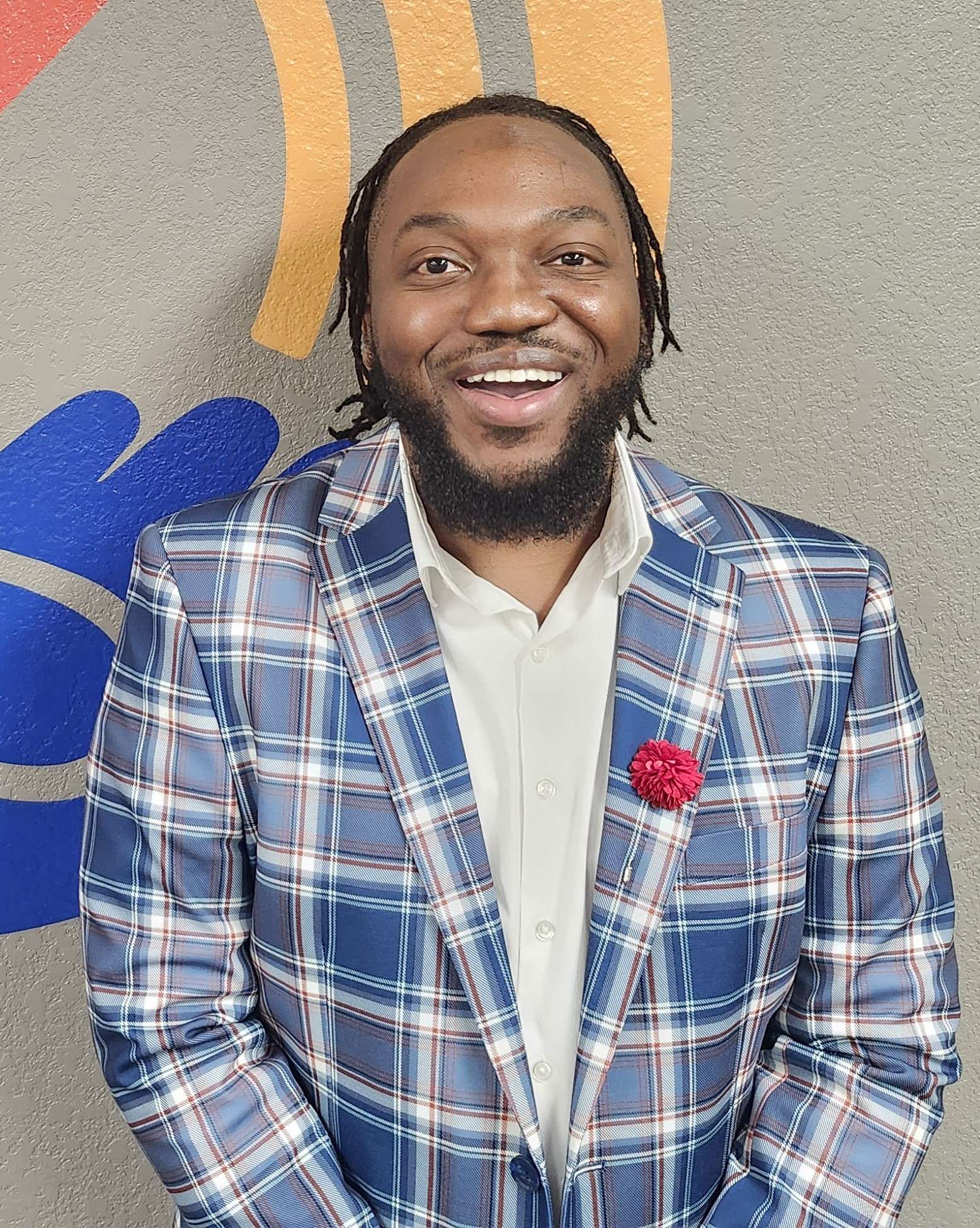
The Rev. JK Vann shared reflections on the legacy of Martin Luther King Jr., emphasizing that King’s impact extends far beyond his widely known role as a civil rights leader.
“Dr. King was a civil rights leader, but that was only one part of who he was,” Vann said. “He was an advocate for education, unity, and equal rights. He was a minister, a husband, a father, and a statesman. All of those elements together make Dr. King who he was—and why he is still remembered and celebrated today.”
Vann noted that one of the most defining aspects of Dr. King’s leadership was his commitment to nonviolence and peaceful resolution. While King’s assassination stands in stark contrast to his message, Vann said it underscores the sincerity and courage behind his work.
“Peace is not simply the absence of conflict,” Vann said. “It’s the willingness to learn from another perspective, to find common ground, and to set aside prejudice and preconceived notions. Dr. King consistently challenged people to rethink how they relate to one another.”
Working closely with young people, Vann said he often explains Dr. King’s legacy through the lens of education. He recalled a recent conversation with his daughter, who described Dr. King as a “superhero.”
“When she asked what his superpower was, I told her it was his ability to educate,” Vann said. “He taught people things they might never have learned otherwise. His work still speaks decades after his death, and we are standing on the shoulders of that history.”
According to Vann, an essential lesson for future generations is the importance of learning from the past.
“History has a way of repeating itself,” he said. “One of the responsibilities we have is to learn from the mistakes of our forefathers and choose to do differently.”
Vann agreed that Dr. King’s work remains unfinished, pointing to ongoing systemic and societal barriers that continue to divide people.
“As long as those barriers exist, the work continues,” Vann said. “At its core, this is an issue of humanity. Dr. King advocated strongly for African Americans and minorities, but his ultimate vision was for the greater good of humanity as a whole.”
He cautioned against limiting Dr. King’s legacy to a narrow racial framework, arguing that doing so diminishes its broader relevance.
“We can’t confine this conversation to just a black-and-white issue,” Vann said. “We have to ask what is robbing society of being truly connected and what is preventing humanity from being humane. Sometimes the solution starts with simple acts—acknowledging one another, showing kindness, and being willing to engage.”
When discussing how barriers can be broken down today, Vann pointed to the necessity of confronting difficult issues directly.
“If we’re unwilling to confront a problem, we give it permission to continue,” he said. “Confrontation doesn’t mean violence. It means having honest, responsible conversations and working through issues peacefully—the same approach Dr. King modeled.”
Vann also reflected on visits to historic civil rights sites such as Selma and Montgomery, describing them as powerful reminders of the sacrifices made during the movement. He said those experiences help him explain history to his daughter, who is growing up navigating questions of difference, inclusion, and belonging.
“She’s being raised to see people, not color,” Vann said. “But she still notices when others treat her differently. Those moments open the door to conversations about Dr. King and others who faced similar challenges in their time. The context may be different today, but the underlying issues remain familiar.”