


MARC JACOBS
Hutch Post
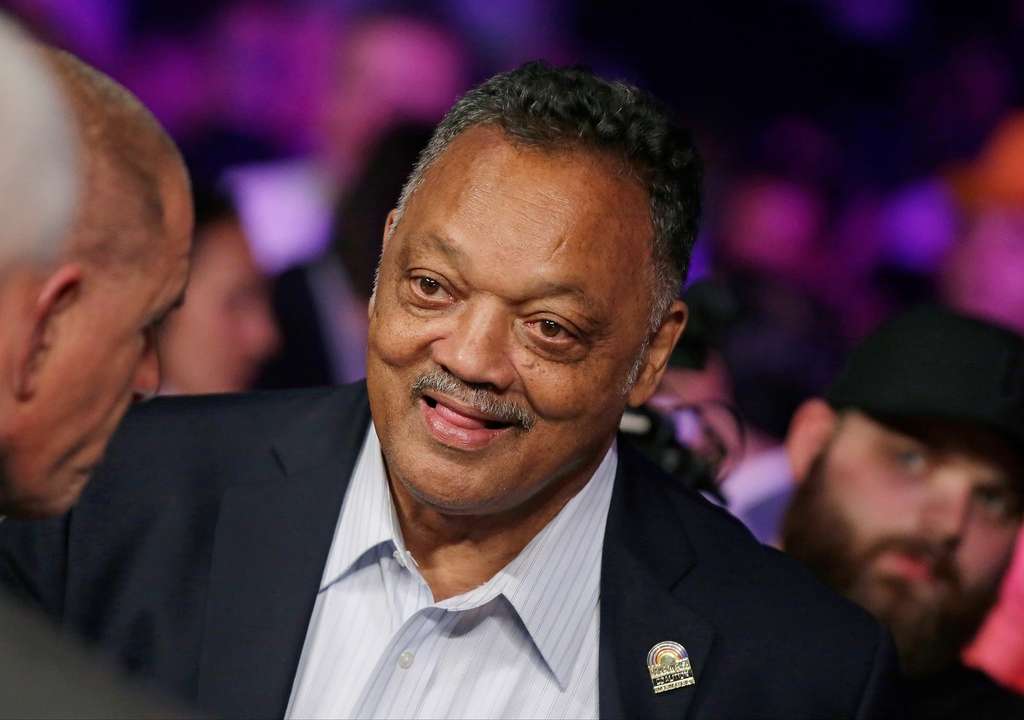
The Rev. Jesse Jackson, a civil rights leader, presidential candidate and founder of the organization Operation PUSH, leaves behind a legacy that supporters say reshaped American politics and expanded opportunities for marginalized communities.
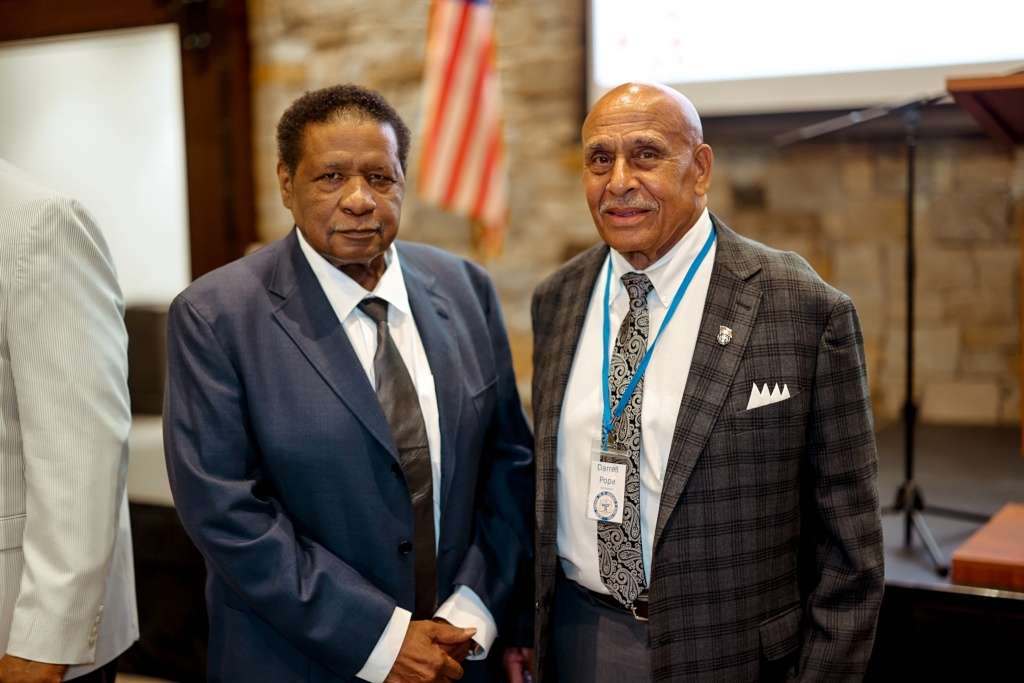
Dr. Hence Parson and Darrell Pope of the "Parson and Pope" podcast reflected on Jackson’s place in history, describing him as a pivotal figure in the fight for equality, social justice and voting rights.
“He was a leader in the area of equality and social justice,” Darrell Pope said. “He did a lot to bring about change and to put it on the world’s conscience about equality and human dignity.”
Jackson rose to national prominence as a close associate of the Rev. Martin Luther King Jr. during the civil rights movement of the 1960s. In the decades that followed, he founded Operation PUSH — later part of the Rainbow/PUSH Coalition — advocating for economic empowerment, education access and expanded political participation.
Pope said Jackson consistently emphasized the importance of voting and civic engagement, urging Americans to take part in the democratic process even when progress seemed slow.
“His message was about equality of opportunity and justice,” Dr. Parson said. “No matter how many times you heard him, he always emphasized voting rights and making a difference in your life.”
Jackson twice sought the Democratic nomination for president, mounting historic campaigns in 1984 and 1988. Though unsuccessful, those bids are widely viewed as having broadened the political landscape and demonstrated the viability of a Black candidate competing seriously for the nation’s highest office.
Observers on the program said those campaigns helped lay the groundwork for the election of Barack Obama in 2008.
“People began recognizing that it was possible,” Dr. Parson said. “He tried to break that color barrier and laid the groundwork.”
Jackson also traveled extensively, including visits to Kansas communities such as Great Bend and Hutchinson, where residents recalled hearing him speak and attending receptions during his appearances in the state.
Those reflecting on his life said Jackson’s broader legacy lies in his insistence that diverse voices have a seat at the table.
“For too many years, that was not the case,” Dr. Parson said. “Give individuals who are different the opportunity to sit at the table and have discussions about their lives.”
Dr. Parson added that Jackson’s work underscored a belief that societies function best when inclusion is prioritized.
“It’s been proven that when everybody is included and allowed to participate, the country is better for it,” Pope added.
As communities look back on Jackson’s decades of activism, those who followed his work say the responsibility now falls on a new generation to continue advocating for fairness, opportunity and human dignity.