


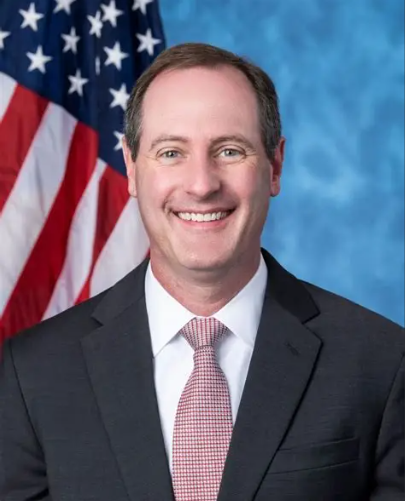
HUTCHINSON, Kan. — Tracey Mann says border security, tax relief and long-term investments in rural health care highlighted a busy legislative year for Kansas’ “Big First” Congressional District.
Speaking on the BW Morning Show, Mann reflected on what he called key accomplishments in Washington during 2025, pointing first to immigration policy following last year’s election.
“The biggest issue in the election was the wide-open southern border,” Mann said. “The Trump administration came in, closed the border, and Congress followed up by passing laws to help finish the border wall and enforce the laws already on the books.”
Mann said illegal crossings are down more than 95 percent, a figure he described as “very significant,” adding that border security was a central concern for Kansans across the district, which includes portions of 63 counties in central and western Kansas and is the seventh-largest congressional district in the nation that does not encompass an entire state.
Mann also emphasized passage of a sweeping tax package often referred to by Republicans as the “big, beautiful bill,” which he said prevents a major tax increase for Kansas families.
“If that bill doesn’t pass, the average Kansan in the Big First sees about a $2,200 tax increase,” Mann said. “We stopped that from happening.”
According to Mann, the legislation includes tax relief for working families, eliminates taxes on overtime pay, limits taxes on tips, and removes taxes on car loan interest for certain American-made vehicles. He said the bill also provides additional relief for seniors by lowering taxes on Social Security income.
Many provisions of the law take effect Jan. 1, meaning much of the economic impact has yet to be felt, Mann said.
The congressman highlighted several agriculture-related measures he said were especially important to western Kansas, including strengthened crop insurance, higher reference prices, and expanded funding to open overseas markets.
“Things are tough on the family farm right now,” Mann said. “Input costs are high, commodity prices are low, and this bill really helps strengthen the farm safety net.”
Mann said the legislation also benefits Kansas’ aviation industry and provides bonus depreciation for farmers purchasing new or used equipment.
Rural health care was another focus of the discussion. Mann pointed to the creation of a $50 billion Rural Health Transformation Fund aimed at stabilizing rural hospitals and reducing long-term costs.
“This is not just a Band-Aid,” Mann said. “It’s about making structural changes and helping rural hospitals make the investments they need to care for people.”
Mann said the Big First District includes roughly 55 hospitals across about 60 counties, making rural health care a critical issue for communities large and small, including Hutchinson, Salina and other regional hubs. He said details on how the funding will be allocated by state are expected later this year.
Looking ahead to 2026, Mann said lawmakers are working to address rising health insurance premiums by increasing competition, transparency and cost controls within the health care system. He also criticized the Affordable Care Act, saying its promises were not fulfilled and that rising costs continue to burden families.
On agriculture, Mann pointed to a $12 billion bridge aid program funded through tariff revenues to help farmers manage high input costs, particularly for commodities important to Kansas such as wheat, corn, soybeans and sorghum.
“Even with good yields, a lot of farmers lost money this year because of how high input costs have become,” Mann said. “This bridge payment helps farmers get through a very difficult period.”
Mann said he expects agriculture, rural health care and continued economic relief for families to remain top priorities as Congress heads into the new year.