


MARC JACOBS
Hutch Post
Kansas lawmakers passed more than 125 new laws during the 2025 legislative session, the majority of which took effect on July 1, 2025. Here are the laws or portions of laws that take effect Thursday.
Insurance verification system
Introduced as Senate Bill 42, this legislation updates the Insurance Code of Kansas. The bill includes the creation of a web-based insurance verification system for motor vehicle liability coverage.
While the law took effect July 1, 2025, select provisions will take effect Jan. 1, 2026.
Increased fees for electric and hybrid vehicles
The legislation increases registration fees for electric and hybrid vehicles. The higher fees are intended to offset reduced fuel tax revenue resulting from lower fuel consumption. Revenue generated from the increased fees will be distributed to the state highway fund and local highway funds.
New specialty license plate options
Two separate bills were passed into law creating new specialty license plate options.
House Bill 2201 authorizes the issuance of three new specialty plates. The first is a blackout plate featuring white lettering on a black background and available for an additional $50 royalty fee.
The second plate honors Route 66, with royalty fees benefiting the Route 66 Association of Kansas.
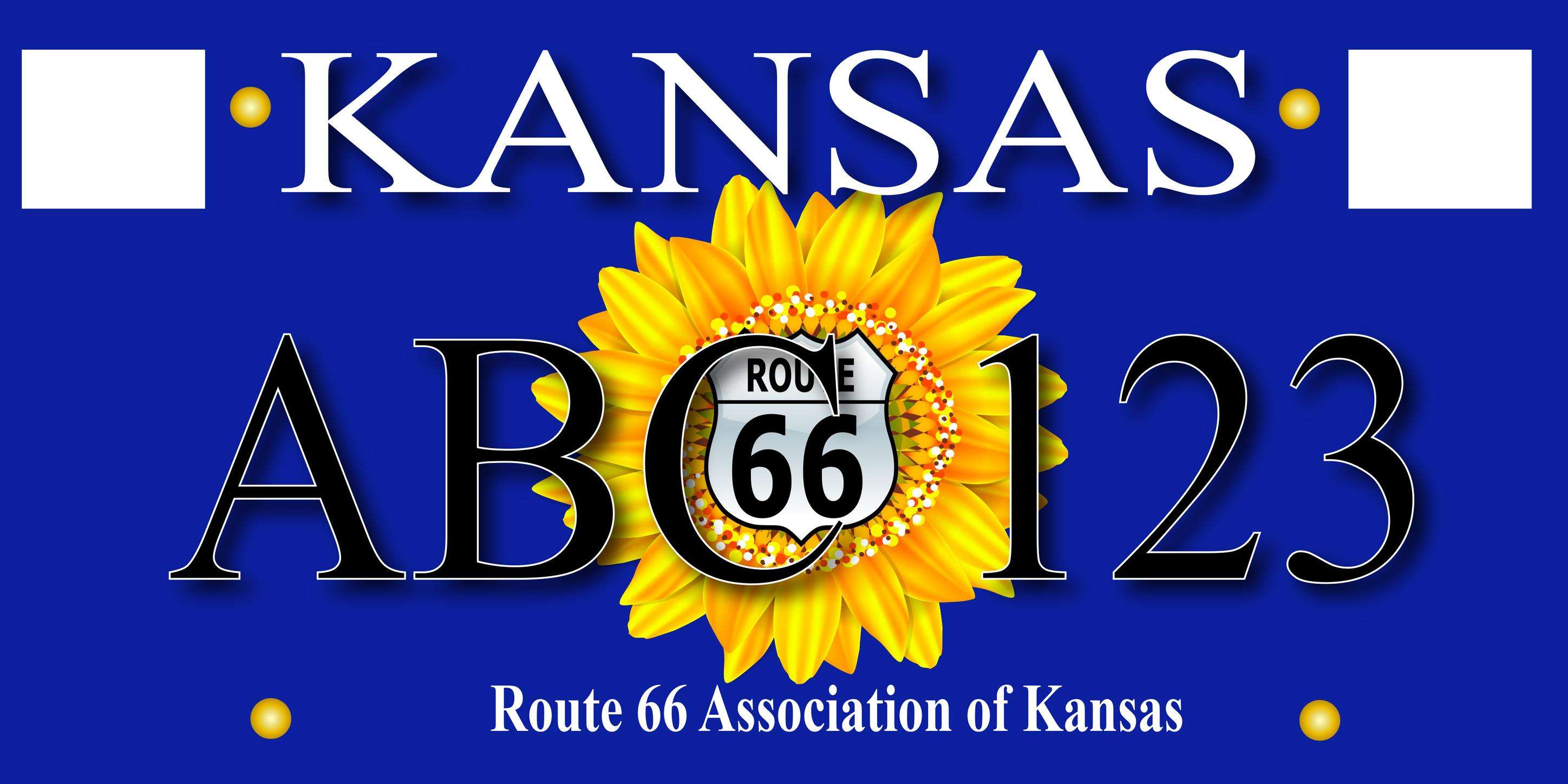
The third plate recognizes the Kansas Future Farmers of America Association. Kansas has 241 FFA chapters in high school agricultural education programs statewide.
A second bill, House Bill 2335, creates a distinctive Hunter Nation license plate. Hunter Nation is a nonprofit organization that supports hunting traditions and outdoor heritage.
Advance ballots
Lawmakers passed Senate Bill 4, which changes the deadline for returning advance ballots.

Under the new law, advance ballots must be received by election officials no later than 7 p.m. on Election Day. Previously, advance mail ballots could be returned up to the third day following an election.
Kansas 911 law
Introduced as House Bill 2110, the legislation amends the Kansas 911 Act by eliminating the requirement that the state 911 board contract with a local collection point administrator, along with making several other changes. The law took effect upon publication in the Kansas Register, though provisions related to the distribution of 911 funds take effect this week.
Insurance-related legislation
House Bill 2334 amends multiple insurance-related laws, including the Insurance Holding Company Act, the Uniform Agents Licensing Act, and the Captive Insurance Act. The bill also establishes the Protected Cell Captive Insurance Company Act.
Most provisions took effect July 1, 2025; however, changes related to insurance company premium tax rates and remittance take effect Thursday.
Restructuring the Kansas Insurance Department
Introduced as House Bill 2050, the legislation modernizes and streamlines operations within the Kansas insurance department. The bill grants the commissioner of insurance authority to set and publish certain fees in the Kansas Register and allows the commissioner to reduce the number of members serving on certain insurance-related boards.
The law also renames the Kansas Insurance Department as the Kansas Department of Insurance and makes corresponding changes to the Office of the Securities Commissioner. In addition, the bill requires the commissioner to maintain a list of eligible non-admitted insurers and authorizes those insurers to conduct business with Kansas vehicle dealers and provide excess coverage insurance on Kansas-based risks.
Investment of public funds
Introduced as House Bill 2152, the legislation is designed to strengthen protections for public funds held by financial institutions. The bill requires governmental deposits exceeding FDIC insurance limits to be secured through a pooled method using qualifying investment company shares.
The law also prohibits investment advisers from directly managing bids for public funds, allows governmental units and financial institutions to negotiate agreed-upon investment rates, and establishes new reporting and oversight requirements involving financial institutions and the state treasurer. The provisions take effect this week and repeal several sections of existing law.
Adult guardianship and protective proceedings
Governor Laura Kelly signed House Bill 2359 into law in March. The legislation adopts both the Uniform Adult Guardianship and Protective Proceedings Jurisdiction Act and the Kansas Uniform Guardianship, Conservatorship, and Other Protective Arrangements Act.
House Bill 2359 was developed through the Kansas Judicial Council’s Guardianship and Conservatorship Advisory Committee, which began a comprehensive review of state statutes in 2020. The guardianship code had not been substantially updated in more than two decades.
Office of Early Childhood
House Bill 2045 establishes the Kansas Office of Early Childhood, a new agency that will consolidate nearly 20 existing state programs focused on early childhood care and education. The office is scheduled to officially open July 1,2026 and will oversee childcare licensing, subsidy programs, home visitation services, and the Kansas Children’s Cabinet and Trust Fund.
The office will be led by a director appointed by the governor and charged with expanding access to childcare and ensuring the effective administration of services. State officials say the consolidation is intended to reduce bureaucratic inefficiencies and improve access to high-quality early childhood services statewide.
On Dec. 18, Governor Kelly appointed Christi Smith as the inaugural director of the Kansas Office of Early Childhood.
Military installation security
The House Substitute for Senate Bill 9 strengthens security around Kansas military installations by restricting foreign real estate ownership and regulating certain drone technologies.
Key provisions prohibit foreign principals from acquiring real estate interests near military installations, limit the purchase of drones and drone components by state and local governments from foreign adversaries, and bar foreign principals from receiving benefits through Kansas economic development programs.